
-
Today's Hours: 7:30 AM - 5:30 PM
-
Monday7:30 AM - 5:30 PM
-
Tuesday7:30 AM - 5:30 PM
-
Wednesday7:30 AM - 5:30 PM
-
Thursday7:30 AM - 5:30 PM
-
Friday7:30 AM - 5:30 PM


Toddler School in Cedar Mill, OR
Safari Cub Toddler Care: Early Education Program for Children Starting at 14 Months
At Safari Kid Cedar Mill, our Safari Cub Toddler Care program gives children starting at 14 months a welcoming introduction to early childhood education. We combine play-based learning, educational materials, predictable routines, and guided exploration to support toddlers as they move, communicate, make choices, and engage with others.
Our approach centers on Whole Child Development across Cognitive Development, Language and Literacy Development, Physical Development, Social and Emotional Development, and Health and Care Development. Active play and quieter experiences create different ways to participate, while repeated routines help toddlers become familiar with what comes next.
Call (503) 809-4447 or contact us online to learn more about Safari Cub Toddler Care in Cedar Mill.
Whole Child Development at Our Toddler School
Toddlers learn through movement, repetition, conversation, sensory exploration, and hands-on play. Our curriculum provides developmentally appropriate opportunities across five connected areas:
- Cognitive Development: Children recognize shapes, colors, and numbers while exploring puzzles, games, sensory activities, art, and imaginative play.
- Language and Literacy Development: Toddlers practice following simple instructions, expressing wants and needs, joining basic conversations, exploring books, and pointing to words.
- Physical Development: Tricycle riding, balance beam walks, and obstacle courses support gross motor skills. Writing tools, manipulatives, and small objects provide fine motor practice.
- Social and Emotional Development: Children begin identifying emotions, taking turns, participating in cooperative play, and observing positive interactions modeled by educators.
- Health and Care Development: Toddlers build awareness of their personal needs, the needs of others, and their surroundings while developing self-awareness and resilience.
We adapt activities to children’s individual learning needs and use ongoing observations to understand their strengths and emerging interests. Regular communication also helps families stay connected to their child’s classroom experiences and development.
Play-Based Activities in Safari Cub Toddler Care
Named learning experiences turn Whole Child Development into active, age-appropriate participation. Toddlers can encounter the same concept through movement, stories, sensory materials, music, art, conversation, and pretend play rather than formal academic instruction.
- Tumbling Tots Physical Play: Physical movement gives children opportunities to practice gross motor skills.
- Busy Little Paws: Sensory exploration encourages toddlers to use their hands and practice fine motor skills.
- CHIRP: Language-rich activities support communication development.
- American Sign Language: Signs provide another format for communication and language learning.
- Parachute Story Time: Shared stories combine literacy, group participation, and movement.
- STREAM: Activities introduce science, technology, reading, engineering, arts, and math through toddler-friendly exploration.
The curriculum also includes music, movement, dramatic play, block play and manipulatives, arts and crafts, and pre-writing skills activities. Educational materials invite children to explore cause and effect, make choices, and practice emerging problem-solving skills at different levels of participation.
What a Day Looks Like for Toddlers
We create a predictable rhythm that balances active play with quieter moments so toddlers can explore, rest, and connect. While no two days are exactly the same, a familiar flow helps children understand transitions and participate with growing confidence.
A toddler’s day may begin with a warm welcome and time to settle into the classroom. Group gatherings can include songs, stories, or movement games, followed by experiences such as art, block building, dramatic play, and early literacy activities. Outdoor time is also part of our program, giving children opportunities for fresh air and large-motor play.
The daily rhythm can include snack or meal times, rest, puzzles, books, sensory play, and follow-up activities connected to earlier exploration. The balance of movement, social interaction, focused activities, flexible play, and quieter periods gives toddlers varied ways to engage throughout the day. Families can contact us directly to confirm current schedule, meal, and rest details.
How We Support Transitions & Separation
Beginning at a new toddler school is a big step for children and caregivers, and we take that transition seriously. Separation responses vary by child and can change from one day to the next. We help families understand what to expect and work toward a gradual, respectful introduction that considers each child’s temperament and comfort level.
Before a child’s start date, we encourage a classroom visit so toddlers can explore the space with a trusted adult nearby. During the visit, children can become familiar with classroom activities, their educators, and important areas in the space. We also work with families to establish a workable drop-off routine and adjust the child’s time in the classroom as they become more comfortable.
Teachers offer reassurance during difficult moments and communicate with parents about how their child is adjusting. Updates may include messages, photos from the day, or a conversation at pickup about what helped the child feel comfortable and engaged. This ongoing communication gives families useful context during the transition period.
Preparing Toddlers for Preschool & Group Learning
Many families choose our Cedar Mill toddler program as the first step on a longer educational journey, so they naturally wonder how this stage will prepare their child for preschool. We design our program to build the social, emotional, communication, self-help, and early learning foundations used in future group settings. Rather than rushing into academics, we focus on skills that help children participate in routines and engage with other people.
Each day, toddlers practice following simple directions, taking turns, and using words or gestures to express their needs. Group experiences like circle time, music, and cooperative games help them get used to listening to an educator, noticing peers, and waiting for their turn. At the same time, we gently introduce early concepts such as counting, sorting, color recognition, and storytelling through playful, hands-on activities.
As children grow closer to preschool age, we support families in planning the next steps. Teachers share observations about a child’s strengths, emerging interests, and areas where they may benefit from extra support. We can also discuss developing routines and self-help skills that may be useful as the child moves on from our toddler program.
Safari Kid Offers a Safe & Welcoming Environment
At Safari Kid, the environment plays a crucial role in the learning process, influenced by the renowned Reggio Emilia philosophy, which considers the environment as the “third teacher.” It’s crafted to inspire exploration, discovery, and the joy of learning. Key elements of our environment include
- Sparkling clean, modern facilities maintained with meticulous care
- Thoughtfully organized and modern spaces that encourage your child’s natural curiosity
- Engaging indoor and outdoor spaces designed for safe, active play
- Where your child spends their day matters! Our facilities are designed to provide a safe, healthy, and welcoming space for children to learn and grow.
Call (503) 809-4447 or contact us online to take the next step for your family.
-
Cognitive
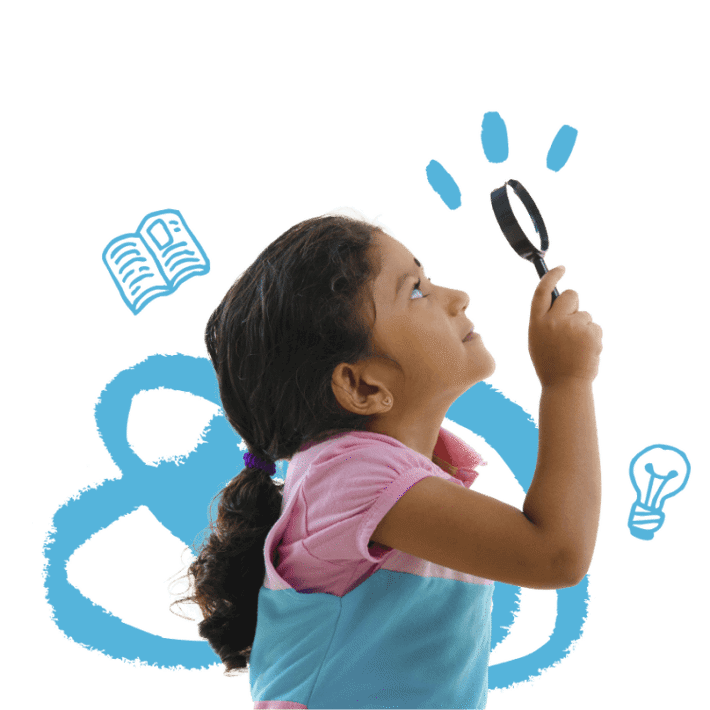
We encourage curiousity and a love for learning that inspires children to explore and discover.
-
Social

Children learn vital social skills through activities that emphasize cooperation and sharing.
-
Language & Literacy
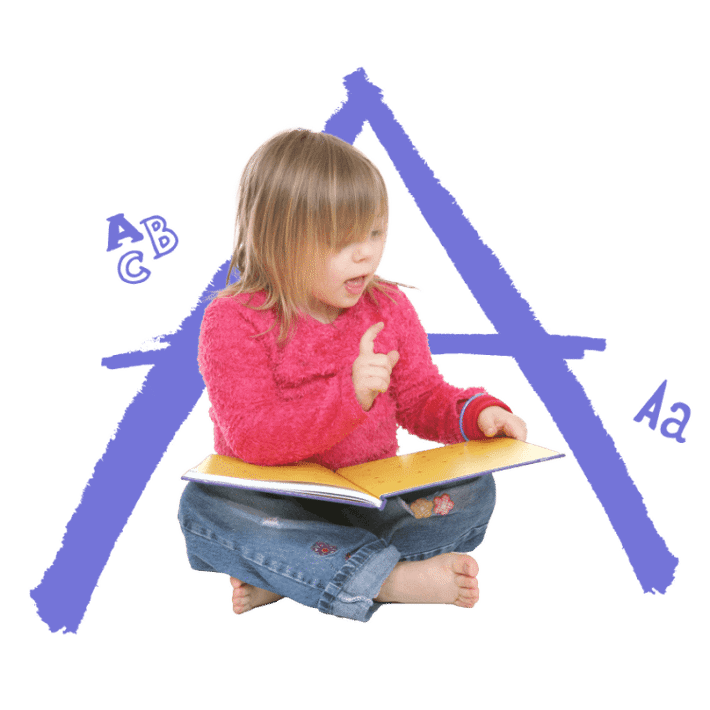
Communication skills are developed through interactive and engaging activities.
-
Physical
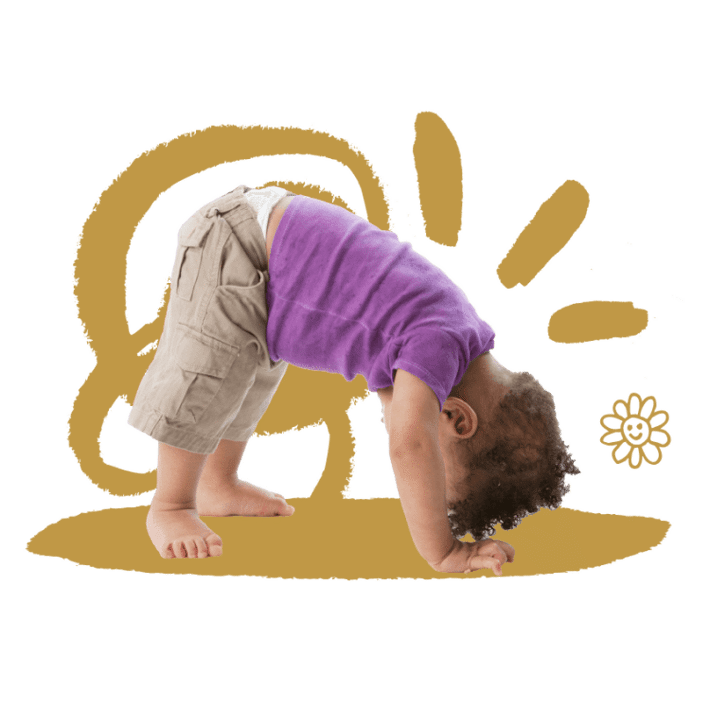
We ensure children build strong, healthy bodies while fostering a love for movement.
-
Emotional

Our approach to emotional learning helps children recognize, express, and manage feelings.
-
Health & Care
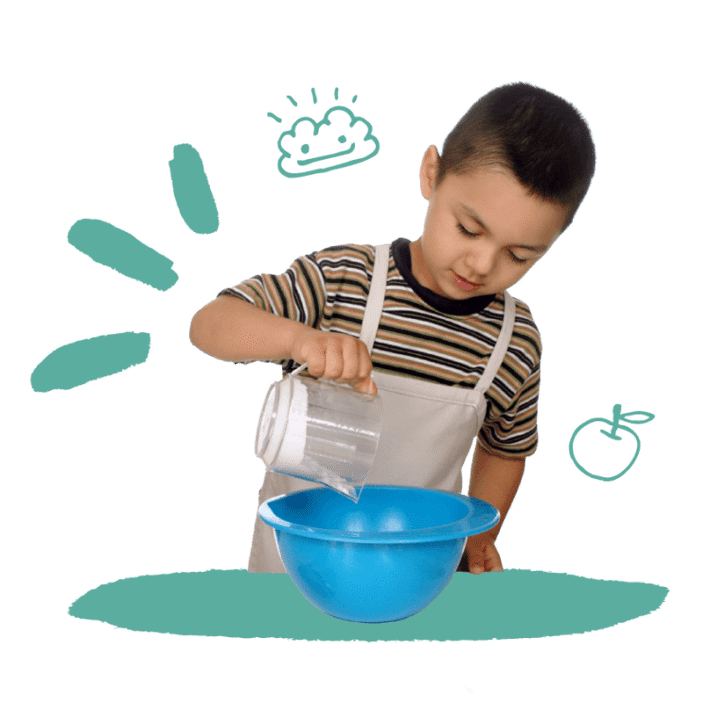
Children learn to recognize and attend to their own needs, those of others, and the environment.
-
-
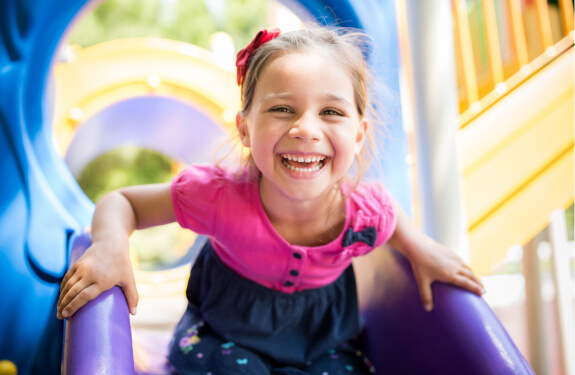 Whole Child DevelopmentWe nurture academic, social, emotional, and physical development through play.
 -
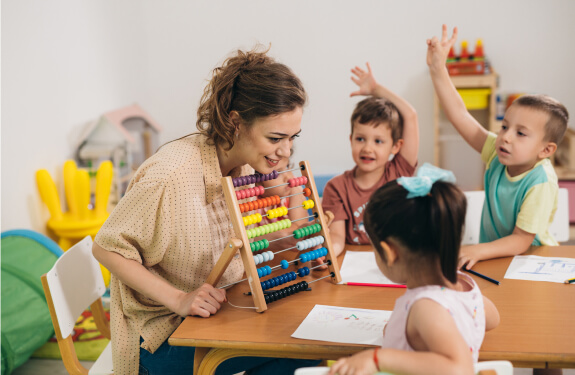 Cutting-Edge CurriculumResearch-backed education provides an invaluable headstart.
 -
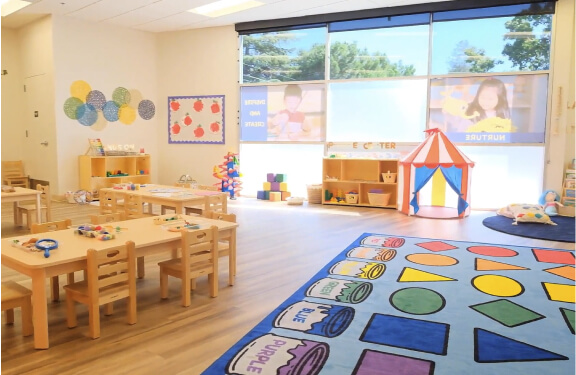 Welcoming EnvironmentThoughtfully designed facilities foster curiosity, safety, and rich learning.

-
2005The first Safari Kid Launches in Newark, CA
-
2007Safari Kid’s Eclectic Philosohpy is Introduced
-
2008The Proprietary Booklet System is Released
-
2009After-School Programs & Summer Camp Launch
-
2011The Safari Kid Toddler Program is Launched
-
2014The Safari Kid Infant Program is Launched
-
2015Environmental Guidelines Are Developed
-
2020The Kindergarten Program is Launched
Safari Kid Builds Relationships
Relationships are important to many aspects of life, and it's no different for young children. We value building strong relationships with our parents and students, as well as helping children develop relationships with peers and teachers. We foster meaningful relationships through:
- Encouraging parents to participate and collaborate with teachers
- Creating a nurturing environment with highly qualified, caring staff
- Teaching children how to interact with peers and develop positive relationships
Good friends, teachers, and schools are foundations for success in life. Early relationships can shape the way a child learns, grows, and develops into adulthood.


-
School environment is exceptional. Very colorful, bright, and playful environment, which attracts children’s attention.Katie LO
-
The dedicated staff at Safari Kids create a nurturing and stimulating environment, making it a perfect place for early childhood development.Sushma Venkatayogi
-
I would recommend safari kid to anyone looking for a great experience.Jill Turek
Frequently Asked Questions
What Age Can My Child Start?
Safari Cub Toddler Care is designed for children starting at 14 months. Contact us to discuss your child’s age and the appropriate current program placement.
What Does the Cedar Mill Program Include?
Safari Cub Toddler Care follows Safari Kid’s Whole Child Development approach and includes named experiences such as Tumbling Tots Physical Play, Busy Little Paws, CHIRP, American Sign Language, Parachute Story Time, and STREAM. Families should confirm current Cedar Mill schedules, classroom details, and availability directly with the center.
What Safety Measures Are in Place?


Wondering where to start? Explore our early childhood education programs to learn more about specific age groups and curriculum options. You can also contact us online to find out more!