

Pre-Kindergarten near Cedar Mill
Scholar Simba Pre-Kindergarten for Children Starting at Age 4
At Safari Kid Cedar Mill, our Scholar Simba Pre-Kindergarten program helps children starting at age 4 build a thoughtful foundation for kindergarten and later learning. Through guided activities, play-based learning, exploration, and discovery, children practice the academic, social, and self-care skills that support the transition into a classroom community.
Pre-kindergarten is a time for children to become more comfortable sharing ideas, following routines, working with peers, and trying new challenges. Our program supports these early experiences through Whole Child Development, recognizing that kindergarten readiness includes more than early academic skills.
Call (503) 809-4447 or contact us online to learn more about Scholar Simba Pre-Kindergarten.
Whole Child Development in Pre-Kindergarten
Our pre-kindergarten program develops the whole child by bringing Cognitive Development, Language and Literacy Development, Physical Development, Social and Emotional Development, and Health and Care Development together. Each area informs the others. A child who can communicate a need, participate in a group, and manage everyday routines has more room to engage with new learning.
We recognize that every child learns in their own way. Personalized lesson plans, peer interaction, ongoing assessment, and communication with families help us understand each child’s interests and developmental progress. Our teachers and families work together to provide steady support at school and at home.
Cognitive Development
Cognitive Development helps children make sense of the world through questions, observation, and problem-solving. Our Scholar Simba Pre-Kindergarten program introduces early numeracy through hands-on experiences with counting, sorting, patterns, measurement, memory, and prediction.
Children also take part in STREAM activities: science, technology, reading, engineering, arts, and math. Open-ended exploration, nature excursions, stories, and problem-solving activities encourage children to test ideas and talk about what they notice. These experiences support curiosity without treating learning as a worksheet exercise.
For families seeking pre-kindergarten Cedar Mill options, it can be helpful to look for a program that makes room for both guided learning and child-led discovery. Early learning becomes more meaningful when children can investigate materials, ask questions, and return to an idea with support from an educator.
Language & Literacy Development
Language and Literacy Development gives children many ways to listen, speak, understand, and express themselves. Purposeful reading activities, storytelling, group discussions, and conversation help children build vocabulary, comprehension, and confidence in sharing their thoughts.
Children also practice early writing through name-writing and tracing exercises. Music, rhythm, and stories can support phonemic awareness (the ability to identify and work with individual sounds in spoken words). These foundational experiences help children connect spoken language, books, drawing, and early marks on paper.
Communication matters throughout the day, not only during a reading activity. Children practice listening to others, taking turns in conversation, describing an idea, and asking for help. Those skills can make the routines of a kindergarten classroom feel more familiar.
Physical Development
Physical Development includes the large movements children use for active play as well as the smaller hand movements needed for early writing, art, and everyday tasks. We incorporate movement and active play into children’s learning experiences to build coordination, balance, spatial awareness, and participation in group activities.
Arts and crafts, block play, simple instruments, and sensory play give children opportunities to develop fine-motor control and hand-eye coordination. Children can use their hands to create, build, manipulate materials, and explore textures while practicing patience and persistence.
Physical learning is also connected to independence. As children grow, they can practice using materials carefully, joining movement activities, and transitioning between active and quieter parts of the day.
Social & Emotional Development
Social and Emotional Development is an essential part of kindergarten readiness. Through role-play, group discussions, and cooperative activities, children practice empathy, emotional expression, self-awareness, and simple conflict resolution.
Learning with peers gives children chances to take turns, share materials, ask to join play, and work toward a common goal. Teachers can guide children as they name feelings, use words during disagreements, and try calming strategies when an activity feels frustrating or unfamiliar.
Confidence grows through repeated opportunities to participate. Our program encourages children to make choices, contribute to a group, and develop the independence to approach new experiences with curiosity.
Health & Care Development
Health and Care Development supports children as they gain autonomy through everyday choices and routines. Children can practice managing belongings, cleaning up after an activity, following hygiene routines, and recognizing when they need help.
Our program includes nutrition guidance, nature excursions, and activities intended to support overall well-being. Emotional regulation is part of this work as well. Children learn that feelings can be recognized, expressed, and managed with support.
These self-care experiences are age-appropriate, but they matter. Being able to participate in routines and care for personal items can help a child feel more capable as kindergarten approaches.
Building Kindergarten Readiness
Scholar Simba Pre-Kindergarten is designed to prepare children for kindergarten and beyond. Readiness develops over time through coordinated learning experiences, not through a single checklist. Children build familiarity with classroom routines while continuing to explore, create, move, and play.
In a pre-kindergarten setting, children can practice following multi-step directions, participating in group activities, communicating needs, organizing belongings, using early academic concepts, and adapting to transitions. Children practice approaching these experiences with growing confidence and independence.
Kindergarten readiness can include:
- Communication: Listening, sharing ideas, asking questions, and expressing needs.
- Early Learning Skills: Using early numeracy, language, and problem-solving skills during hands-on activities.
- Social Participation: Taking turns, cooperating with peers, and navigating simple conflicts.
- Independence: Managing belongings, helping with cleanup, and participating in daily routines.
- Adaptability: Moving between activities and trying unfamiliar tasks with support.
Families receive ongoing communication and progress information so they can stay connected to their child’s development. This family engagement creates opportunities to continue conversations and routines at home while children build skills in the classroom.
What Cedar Mill Families Should Look for in Pre-K
Families considering pre-k programs in Cedar Mill often want a learning environment that supports both the transition to kindergarten and the child they know today. Our approach balances structured guidance with open-ended exploration, allowing children to engage with ideas through conversation, materials, movement, and play.
Cedar Mill families also have access to early-learning resources in the surrounding area, including library programming and nature spaces. These settings can extend a child’s interest in stories, observation, and the outdoors. Our program’s nature-based learning experiences similarly invite children to notice their environment and ask questions about what they find.
When comparing a pre-kindergarten program, families may want to ask how educators communicate progress, support individual learning styles, guide peer interactions, and introduce kindergarten routines. A tour is a useful time to discuss your child’s needs and the questions that matter most to your family.
What Children May Experience during Pre-Kindergarten
Pre-kindergarten days are designed around hands-on learning, curiosity, and growth. While the exact schedule can vary, a young child’s routine commonly includes a combination of group time, learning activities, active play, meals or snacks, self-care, and transitions.
At Safari Kid, learning experiences can include reading and storytelling, early math and science exploration, STREAM learning, art, music, group problem-solving, movement, and peer play. Predictable routines give children repeated chances to understand what comes next and participate more independently.
Quiet moments matter, too. Children need opportunities to listen, reflect, reset, and move from one activity to another with guidance. The balance between active exploration and calmer routines supports attention, participation, and emotional regulation.
Questions about Oregon Early-Learning Standards
Choosing care and education for a young child involves important questions about safety, supervision, educator preparation, and the learning environment. Oregon early-learning regulations address areas such as licensing, inspections, facility requirements, staff training, supervision, and caregiver-to-child ratios for covered programs.
We understand that families want clear information before enrolling. During a conversation or tour, you can ask us about the current program environment, staff, daily routines, and the practical details that will help you decide whether Scholar Simba Pre-Kindergarten is a good fit for your child.
Frequently Asked Questions
What Age Can My Child Start Scholar Simba Pre-Kindergarten?
We welcome children into Scholar Simba Pre-Kindergarten starting at age 4. A conversation with our team can help you consider whether the program fits your child’s current stage and your family’s goals.
What Does the Curriculum Cover?
Our Whole Child Development curriculum coordinates Cognitive Development, Language and Literacy Development, Physical Development, Social and Emotional Development, and Health and Care Development through guided activities, play, and exploration.
How Does Your Team Personalize Learning?
Personalized lesson plans, peer interaction, and ongoing assessment help us respond to each child’s interests and developmental progress.
What Activities Might My Child Experience?
Children may take part in STREAM activities, reading, storytelling, group discussions, movement, art, music, nature excursions, and peer play.
How Will I Stay Informed about My Child’s Progress?
We share regular assessments and communicate with families about children’s development and learning experiences.
Take the Next Step toward Kindergarten Readiness
Scholar Simba Pre-Kindergarten combines guided learning, play, and exploration to support your child’s transition to kindergarten across the five areas of Whole Child Development.
Schedule a tour or send us your questions. You can also call (503) 809-4447 or contact us online.
-
Cognitive
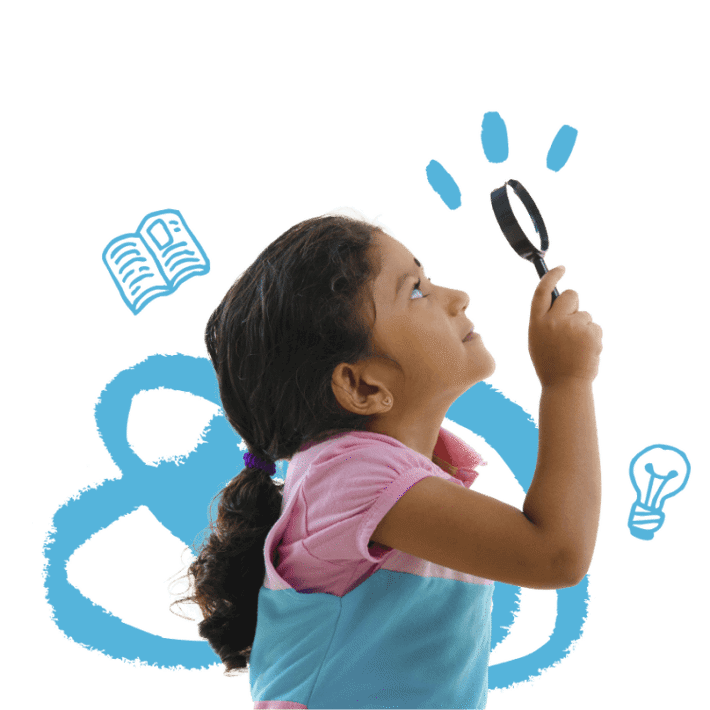
We encourage curiousity and a love for learning that inspires children to explore and discover.
-
Social
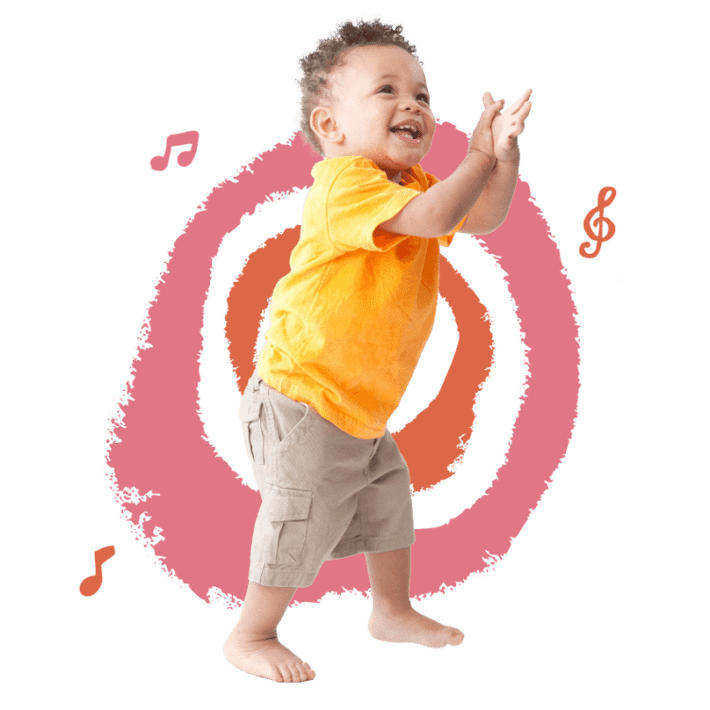
Children learn vital social skills through activities that emphasize cooperation and sharing.
-
Language & Literacy
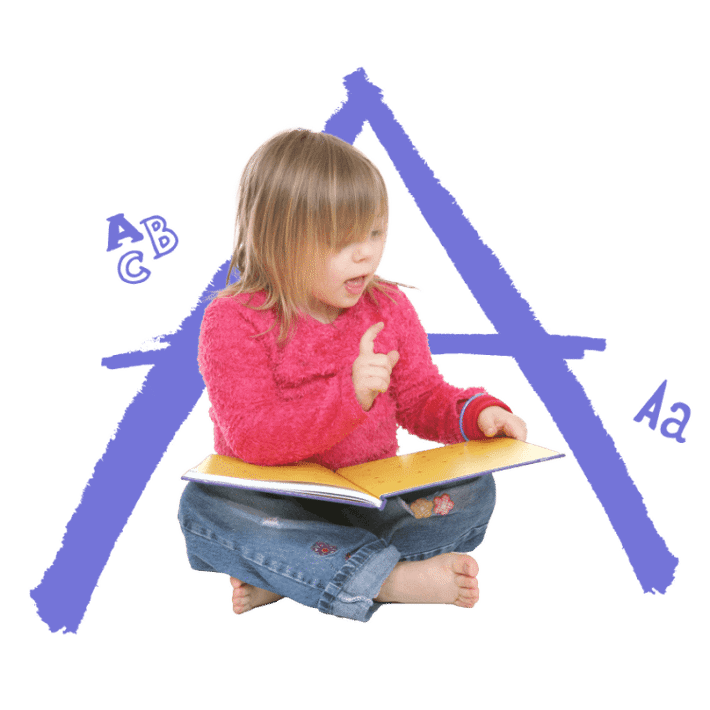
Communication skills are developed through interactive and engaging activities.
-
Physical
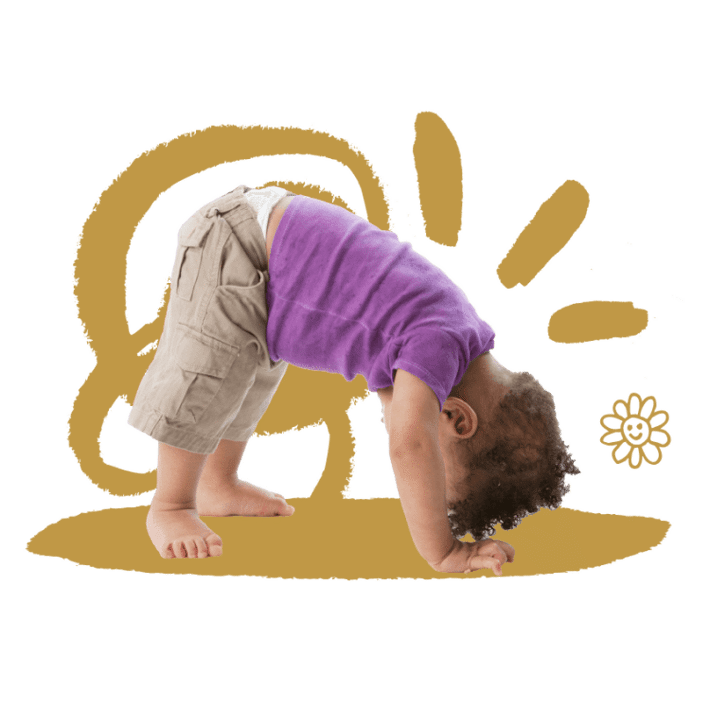
We ensure children build strong, healthy bodies while fostering a love for movement.
-
Emotional
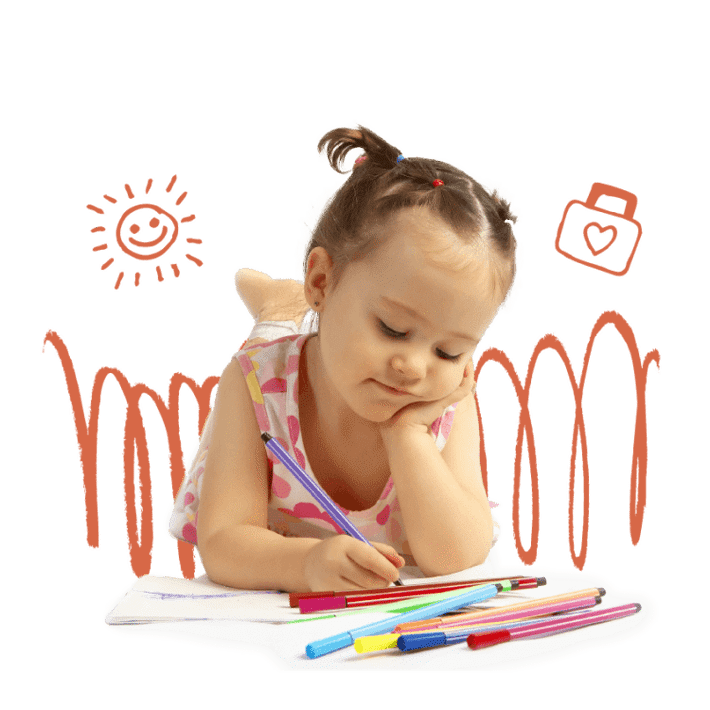
Our approach to emotional learning helps children recognize, express, and manage feelings.
-
Health & Care
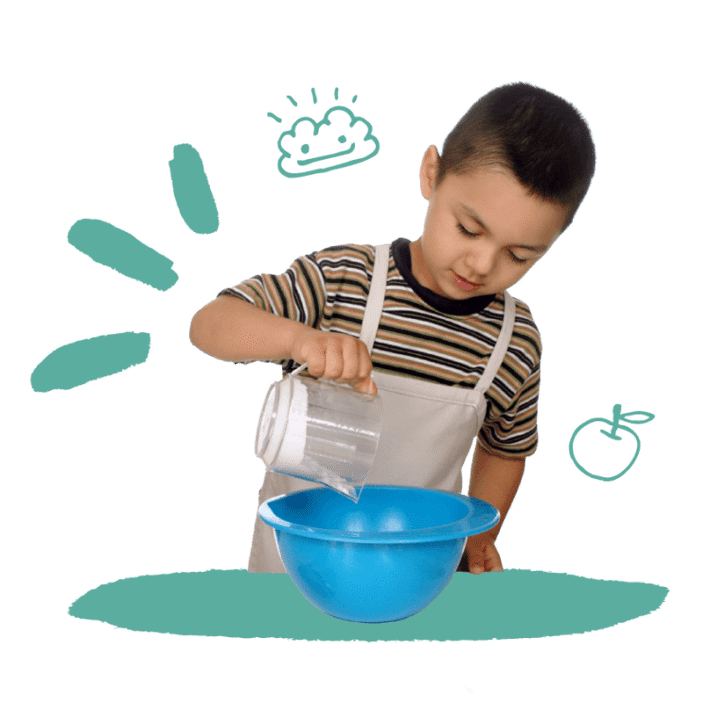
Children learn to recognize and attend to their own needs, those of others, and the environment.
-
-
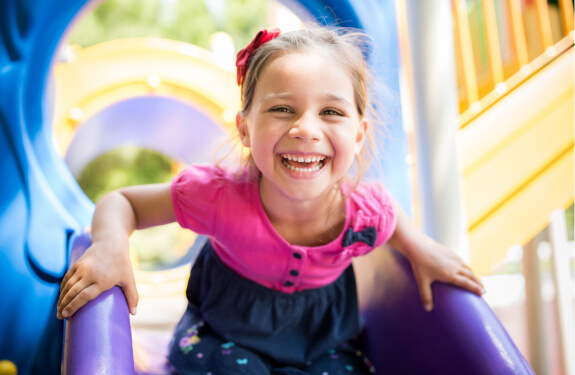 Whole Child DevelopmentWe nurture academic, social, emotional, and physical development through play.
 -
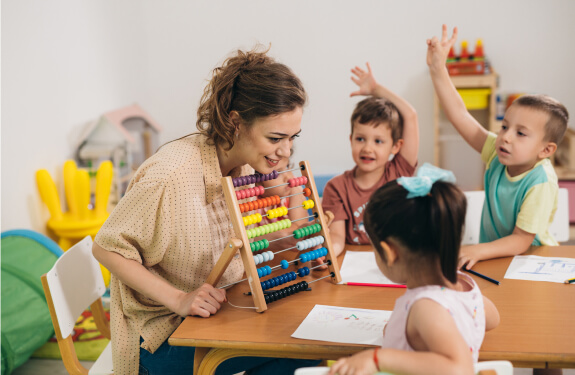 Cutting-Edge CurriculumResearch-backed education provides an invaluable headstart.
 -
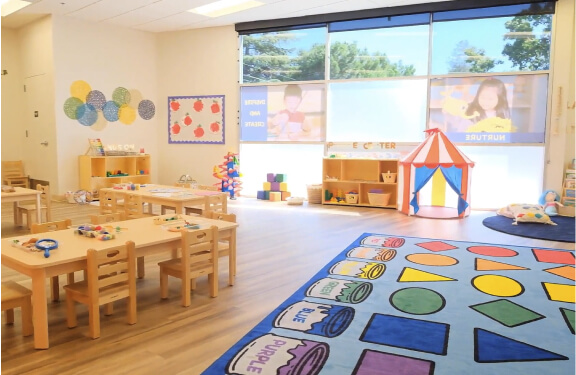 Welcoming EnvironmentThoughtfully designed facilities foster curiosity, safety, and rich learning.

-
2005The first Safari Kid Launches in Newark, CA
-
2007Safari Kid’s Eclectic Philosophy is Introduced
-
2008The Proprietary Booklet System is Released
-
2009After-School Programs & Summer Camp Launch
-
2011The Safari Kid Toddler Program is Launched
-
2014The Safari Kid Infant Program is Launched
-
2015Environmental Guidelines Are Developed
-
2020The Kindergarten Program is Launched


-
School environment is exceptional. Very colorful, bright, and playful environment, which attracts children’s attention.Katie LO
-
The dedicated staff at Safari Kids create a nurturing and stimulating environment, making it a perfect place for early childhood development.Sushma Venkatayogi
-
I would recommend safari kid to anyone looking for a great experience.Jill Turek