
-
Today's Hours: 7:30 AM - 5:30 PM
-
Monday7:30 AM - 5:30 PM
-
Tuesday7:30 AM - 5:30 PM
-
Wednesday7:30 AM - 5:30 PM
-
Thursday7:30 AM - 5:30 PM
-
Friday7:30 AM - 5:30 PM


Pre-Kindergarten Near Bethany
Scholar Simba Builds Confidence for the Transition to Kindergarten
The year before kindergarten is a big milestone for your child and for you. You’re likely looking for a pre-kindergarten program that feels warm and joyful, yet clearly prepares your child for what comes next. We created our pre-kindergarten classroom to do exactly that.
Our Scholar Simba Pre-Kindergarten program welcomes children starting at age 4. From our Portland location, we serve families in Bethany through a holistic, research-driven approach to early childhood education. Children spend their days exploring, creating, interacting with peers, and practicing skills that build confidence for the transition to kindergarten.
We design each learning experience within a calm, inviting atmosphere and partner with you so your child feels known, safe, and excited about school.
Ready to explore Scholar Simba Pre-Kindergarten? Reach out online or call (503) 809-4447 to schedule your consultation.
Scholar Simba Pre-Kindergarten Curriculum
As children near kindergarten age, they’re ready for deeper challenges and greater independence. We blend inspiration from Montessori, Reggio Emilia, and other respected philosophies with current research, then use personalized lesson plans and peer interactions to support individual learning needs.
In practical terms, this means your child practices early literacy through engaging stories, conversations, and playful writing experiences. We introduce early numeracy with hands-on materials that help children see patterns, compare quantities, and solve simple problems. STREAM learning connects Science, Technology, Reading, Engineering, Arts, and Math through projects that invite children to ask questions, test ideas, and explain what they discover.
Our whole child development framework includes five connected areas:
- Cognitive Development: Numeracy activities, STREAM projects, nature excursions, open-ended exploration, and problem-solving encourage children to investigate ideas and work through challenges.
- Language and Literacy Development: Purposeful reading, storytelling, discussion, name-writing, and tracing help children communicate and build early literacy skills.
- Physical Development: Active play, movement, arts and crafts, block play, instruments, and sensory experiences engage both fine and gross motor skills.
- Social and Emotional Development: Role-play, group discussion, emotional expression, empathy, and conflict resolution help children participate in a classroom community.
- Health and Care Development: Opportunities to make choices, regulate emotions, explore nutrition, experience nature, and practice autonomy support growing independence.
We balance structured lessons with open exploration. During guided experiences, children work with teachers on focused skills that support kindergarten preparedness. During choice times, they move through learning centers where they practice independence, creativity, communication, and problem-solving.
Our pre-kindergarten program remains a childhood experience, filled with play, art, music, imagination, and hands-on discovery. Teachers observe children’s development and adjust learning opportunities so each child receives individualized support while remaining connected to the group.
Life in Our Pre-Kindergarten Classroom
It can be easier to choose a pre-K program serving Bethany when you can picture what your child’s day might look like. Predictable routines help children understand what comes next, while flexible learning opportunities leave room for curiosity and choice. A day can include welcoming routines, guided group experiences, small-group activities, learning centers, outdoor play, self-care, and transitions.
During group experiences, children can share ideas, sing songs, listen to stories, and talk about ongoing projects. Teachers then guide children into focused activities or open-ended learning centers. You might see children building with blocks to explore balance, writing messages at a literacy station, creating art, or sorting natural materials gathered during outdoor exploration.
Outdoor time and sensory experiences give children opportunities to move, observe, and investigate. Active play engages coordination and physical development, while shared games and imaginative experiences invite children to take turns, communicate, and solve problems with peers.
Classroom responsibilities and transitions are learning opportunities too. Children can practice self-care by washing their hands, managing belongings, making simple choices, and helping with age-appropriate classroom tasks. Teachers model calm, respectful communication and support children as they move between activities.
The environment combines structured guidance with open-ended exploration. That balance gives children opportunities to follow directions and participate in a group without losing the play-based learning, creativity, and discovery that are central to early childhood.
Kindergarten Preparedness for Bethany Families
Many parents want to know exactly how a pre-kindergarten year will help their child step confidently into elementary school. We think about kindergarten preparedness broadly, not just in terms of letters and numbers. A ready child can follow routines, express needs with words, try unfamiliar tasks with persistence, and work alongside peers with growing empathy and self-control.
Academic Skills & Executive Function Skills
Children practice early reading skills by listening closely to stories, talking about characters and events, and experimenting with writing in meaningful ways. They explore counting, comparing, patterns, and simple operations through games and materials that require them to think and reason, not just memorize.
Executive function skills are the abilities children use to focus, remember directions, manage impulses, and work toward a goal. Our learning experiences give children practice planning what to do, shifting between activities, organizing materials, and persisting when a task takes more than one attempt.
Social, Emotional & Independent Learning
Equally important are the social and emotional foundations. We devote time to practicing skills such as taking turns, negotiating roles in play, and recognizing feelings in themselves and others. Teachers coach children through conflicts, model calm problem-solving, and help them develop language for communicating needs and ideas.
As the year progresses, we introduce experiences that mirror parts of elementary school life in a developmentally appropriate way. These can include longer group projects, opportunities to share work with classmates, and simple responsibilities that build independence. Our goal is for children to feel capable, curious, and prepared to embrace the next chapter of learning.
For families comparing programs in the Beaverton School District area, pre-kindergarten eligibility is generally tied to being age 4 by September 1, while kindergarten eligibility is generally tied to being age 5 by September 1. Families should confirm current age and enrollment requirements directly with the district.
Family Partnership & Individual Support
Ongoing observation and assessment help our teachers understand how each child is developing. We use that information to refine learning opportunities and provide support aligned with the child’s strengths, interests, and current needs.
We keep families involved through Procare, progress updates, assessments, parent-teacher meetings, family events, and ongoing communication. This partnership gives families opportunities to share what they’re noticing at home and stay informed about classroom learning and development.
Explore our early childhood education programs to compare age groups and curriculum options.
Ready to learn more about Scholar Simba Pre-Kindergarten? contact us online or call (503) 809-4447 to arrange a consultation.
-
Cognitive
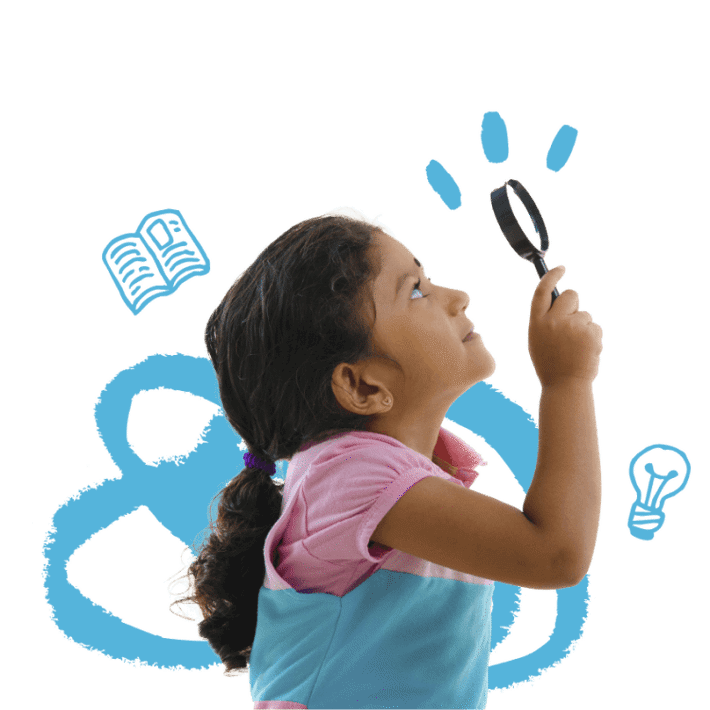
We encourage curiousity and a love for learning that inspires children to explore and discover.
-
Social
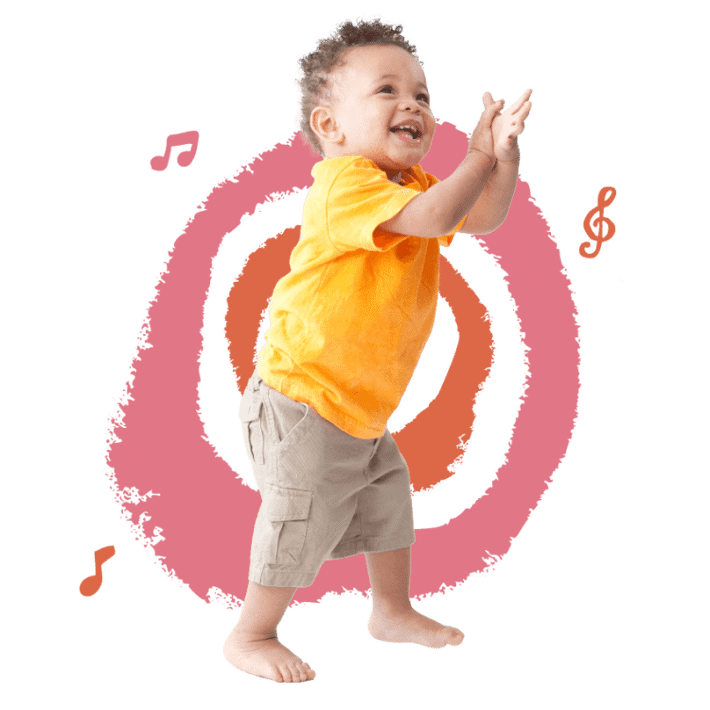
Children learn vital social skills through activities that emphasize cooperation and sharing.
-
Language & Literacy
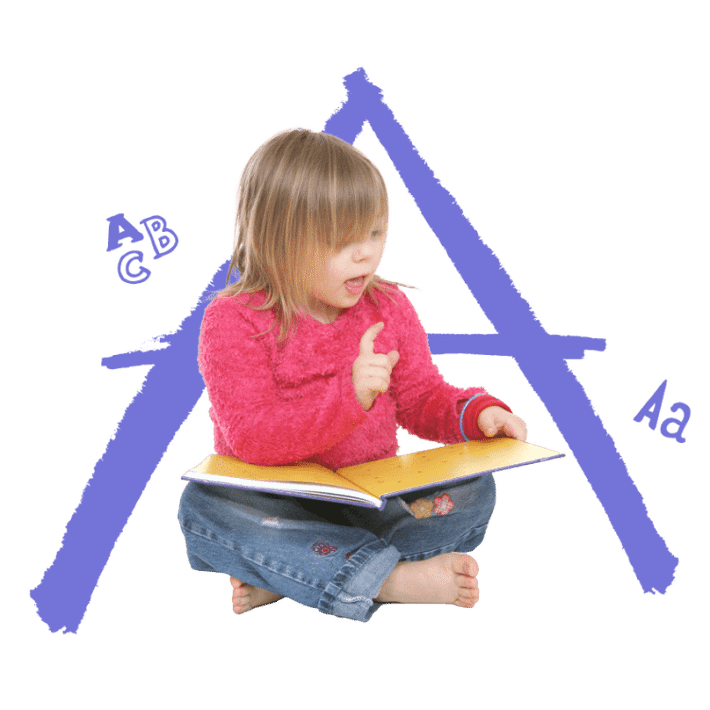
Communication skills are developed through interactive and engaging activities.
-
Physical
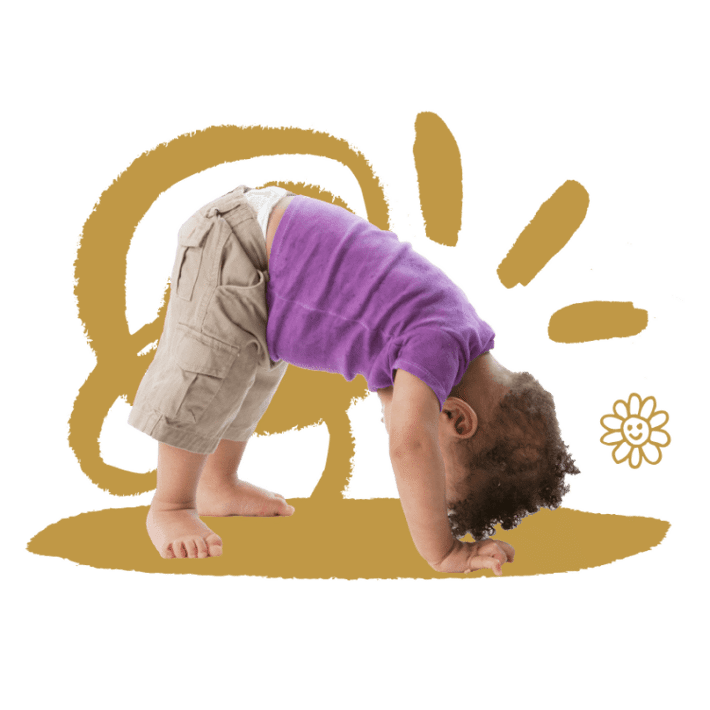
We ensure children build strong, healthy bodies while fostering a love for movement.
-
Emotional
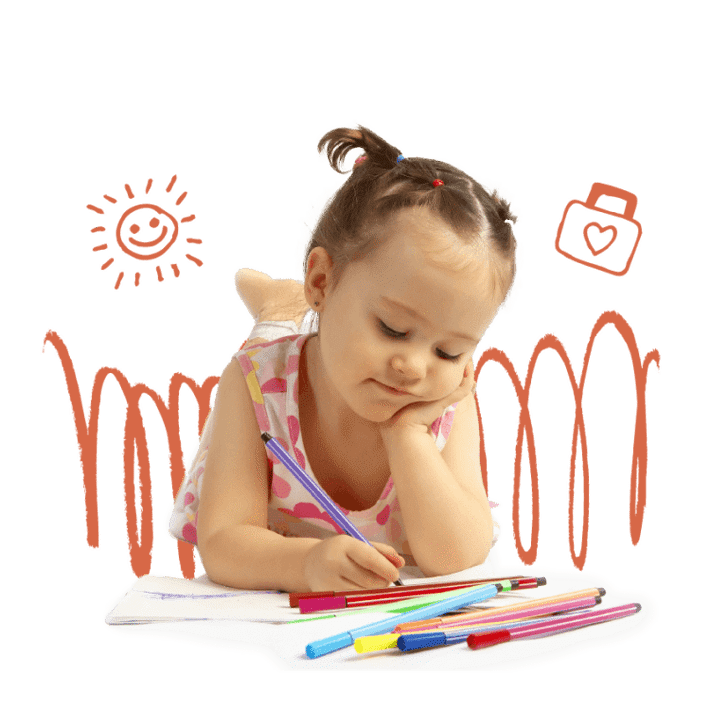
Our approach to emotional learning helps children recognize, express, and manage feelings.
-
Health & Care
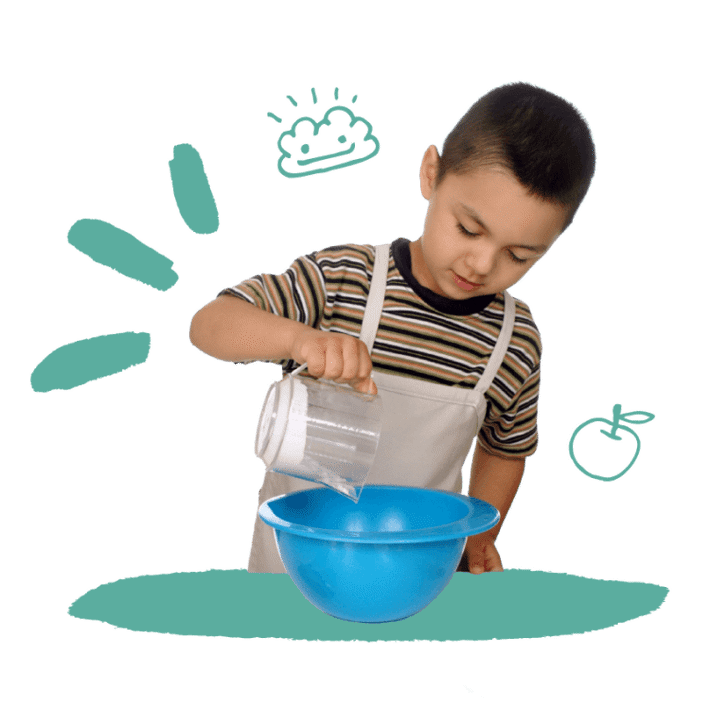
Children learn to recognize and attend to their own needs, those of others, and the environment.
-

-
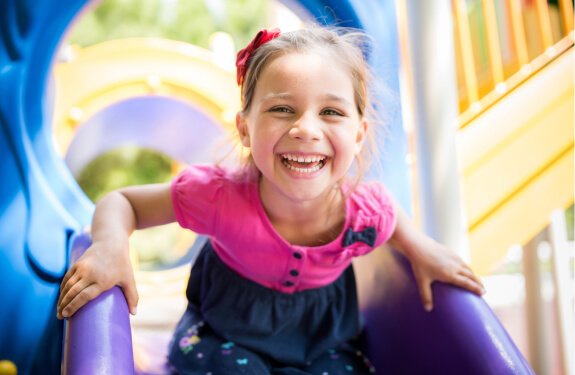 Whole Child DevelopmentWe nurture academic, social, emotional, and physical development through play.
-
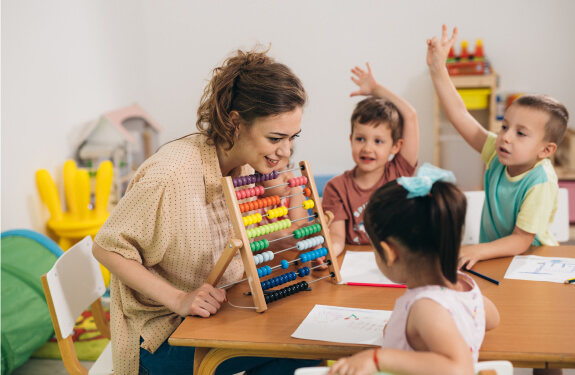 Cutting-Edge CurriculumResearch-backed education provides an invaluable headstart.
-
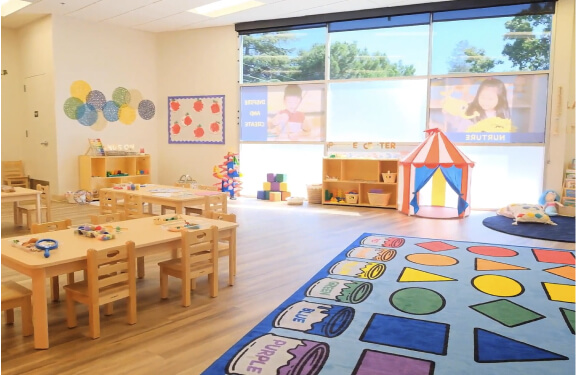 Welcoming EnvironmentThoughtfully designed facilities foster curiosity, safety, and rich learning.

-
2005The first Safari Kid Launches in Newark, CA
-
2007Safari Kid’s Eclectic Philosophy is Introduced
-
2008The Proprietary Booklet System is Released
-
2009After-School Programs & Summer Camp Launch
-
2011The Safari Kid Toddler Program is Launched
-
2014The Safari Kid Infant Program is Launched
-
2015Environmental Guidelines Are Developed
-
2020The Kindergarten Program is Launched
Frequently Asked Questions
What Age Can My Child Start Scholar Simba Pre-Kindergarten?
The program welcomes children starting at 4 years. Public-school eligibility dates are separate from our program’s starting age, so families should verify current kindergarten cutoff requirements with their school district. To discuss your child’s fit, Reach out online or call (503) 809-4447.
How Will Pre-Kindergarten Prepare My Child?
We prepare children by building skills across academics, social development, executive function, communication, and independence. Children practice early literacy and numeracy in playful ways, learn to follow routines, and work with peers. Our curriculum is designed so these experiences grow stronger throughout the year, supporting kindergarten preparedness.
What Does a Typical Pre-K Day Include?
A typical day can include a warm arrival, guided group experiences, small-group learning, and play in thoughtfully designed centers. Children can also participate in outdoor activity, self-care routines, sensory experiences, and transitions that support both learning and a sense of security.
How Do You Communicate With Parents?
We use Procare, progress updates, assessments, parent-teacher meetings, family events, and ongoing communication to keep you informed. Families can learn about classroom activities and longer-term development while sharing questions or observations with teachers.
How Do You Support Shy or Anxious Children?
Our teachers take time to build trust with each child through warm, consistent interactions. For children who are slow to warm up, we offer gentle transitions, predictable routines, and quiet connection points. We collaborate with families on supportive strategies so children can gradually feel more comfortable engaging with peers and classroom activities.
When Should I Ask About Enrollment?
Contact us when you begin comparing pre-kindergarten options or have a preferred start period in mind. Our team can answer questions about current availability, tours, consultations, and registration steps.


-
School environment is exceptional. Very colorful, bright, and playful environment, which attracts children’s attention.Katie LO
-
The dedicated staff at Safari Kids create a nurturing and stimulating environment, making it a perfect place for early childhood development.Sushma Venkatayogi
-
I would recommend safari kid to anyone looking for a great experience.Jill Turek
