

.2609241028057.jpg)
Why Drop-Off Feels So Hard for Everyone
Few parenting moments feel heavier than walking away while your child cries, clings to your leg, or begs you not to leave.
You sit in the car afterward questioning everything.
“Am I doing the right thing?”
“Are they emotionally ready?”
“Will they feel abandoned?”
For many families, morning drop-offs can quickly become emotionally exhausting. Parents carry guilt into work. Children begin associating school mornings with stress. What should feel exciting instead feels overwhelming for everyone involved.
The good news is this:
Morning meltdowns are incredibly common in early childhood—and they are usually temporary.
Even better, research in early childhood education and child development shows there are proven ways to help children transition more confidently and securely.
Why Children Struggle with Separation
Young children thrive on predictability, attachment, and emotional security. During the early years, the brain is still developing the ability to regulate emotions, manage transitions, and understand time.
To a toddler or preschooler, saying goodbye can feel very big emotionally because they do not yet fully understand:
When you will return
How long the separation will last
Why the routine is changing
How to process overwhelming emotions
This is especially common during:
Starting school for the first time
Moving into a new classroom
Returning after vacations or illness
Developmental leaps and growth periods
The important thing for parents to remember is this:
A child having emotions during separation does not mean the school is unsafe or that you are making the wrong decision. It often means your child is building new emotional coping skills.
7 Research-Based Ways to Ease Morning Drop-Offs
1. Create a Predictable Morning Routine
Children feel safer when they know what to expect.
Try keeping mornings consistent:
Wake up at the same time
Follow the same sequence each morning
Keep drop-off routines short and calm
When routines become predictable, children begin to understand that school is a normal and safe part of their day.
2. Keep Goodbyes Short and Confident
One of the hardest things for parents to do is leave quickly when their child is upset.
But long, emotional goodbyes can unintentionally increase anxiety because children sense uncertainty.
Instead:
Offer a hug
Use a consistent goodbye phrase
Reassure them you will return
Leave confidently and calmly
Children often recover emotionally much faster once the transition is complete.
3. Avoid Sneaking Away
Although it may seem easier to leave without your child noticing, this can increase separation anxiety over time.
Children build trust when they learn:
Parents leave
Parents always come back
School is a safe place while they wait
Consistency builds emotional security.
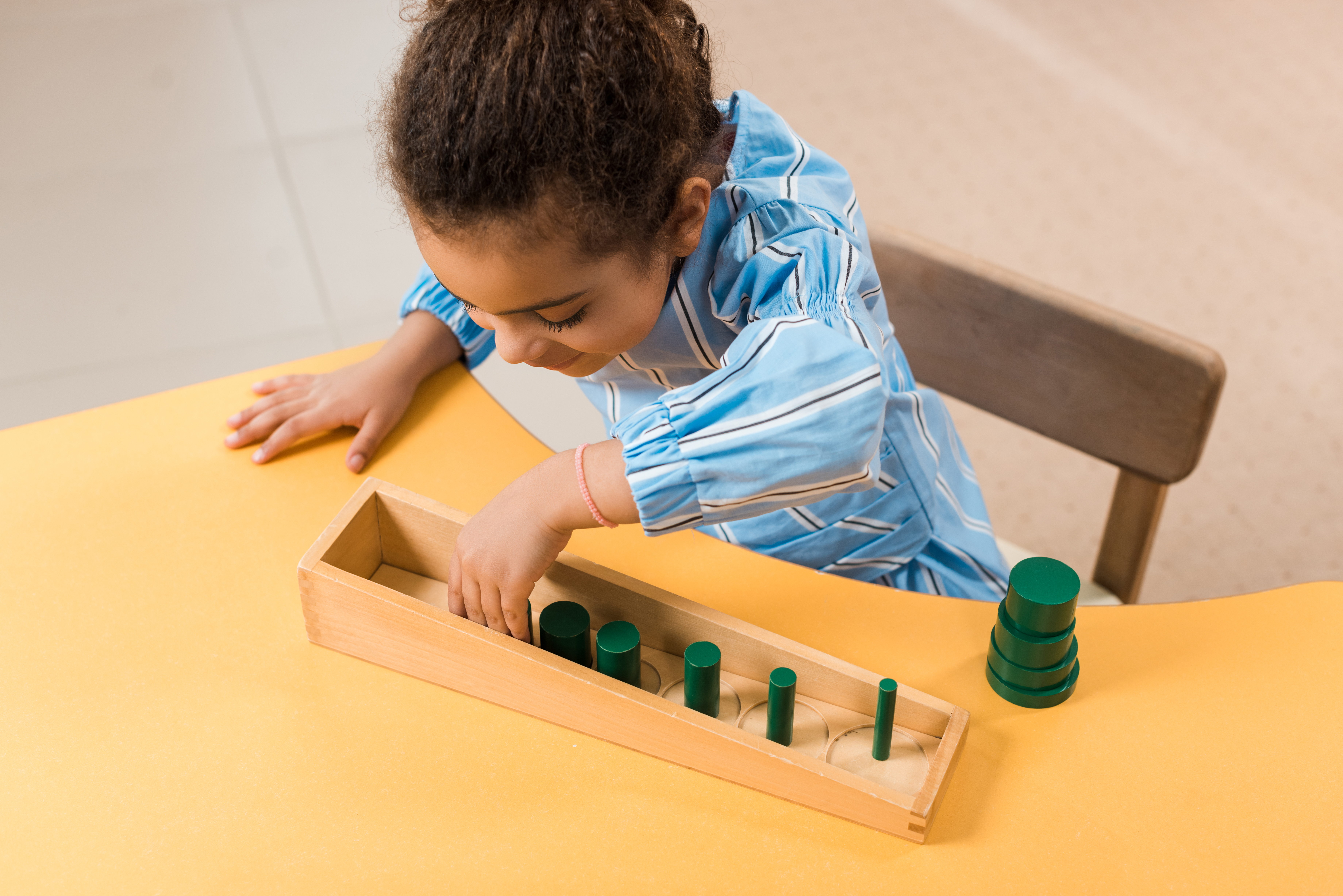
4. Give Children a Job or Responsibility
Research shows children transition more successfully when they feel engaged and purposeful.
Simple responsibilities can help redirect anxious energy:
Carrying their backpack
Feeding a classroom pet
Helping set up an activity
Greeting their teacher
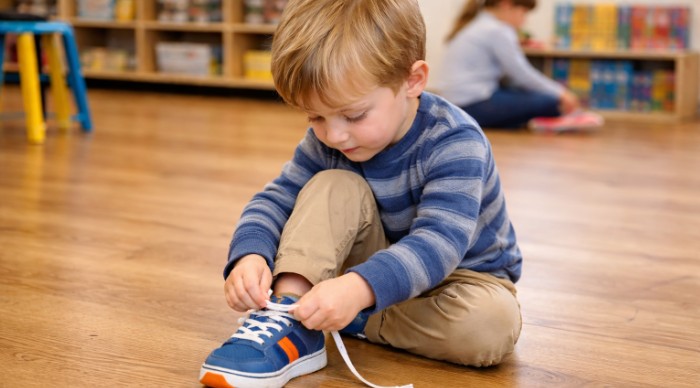
Feeling capable builds confidence.
5. Prepare for Transitions Before They Happen
Talk positively about school before the morning begins.
You can:
Read books about school
Talk about friends and favorite activities
Review the classroom routine
Practice separation in small ways
Children feel more secure when transitions are discussed calmly ahead of time.
6. Stay Emotionally Regulated Yourself
Children are incredibly sensitive to adult emotions.
If parents appear anxious, uncertain, or guilty during drop-off, children often absorb that stress.
This does not mean hiding your emotions completely. It means modeling calm confidence:
“You are safe.”
“Your teachers will take care of you.”
“I can’t wait to hear about your day.”
Your confidence becomes part of your child’s emotional safety net.
7. Partner Closely With Teachers
Strong school-family relationships are one of the most important factors in successful transitions.
Teachers can help by:
Offering comfort routines
Redirecting children into activities
Providing emotional reassurance
Communicating progress with parents
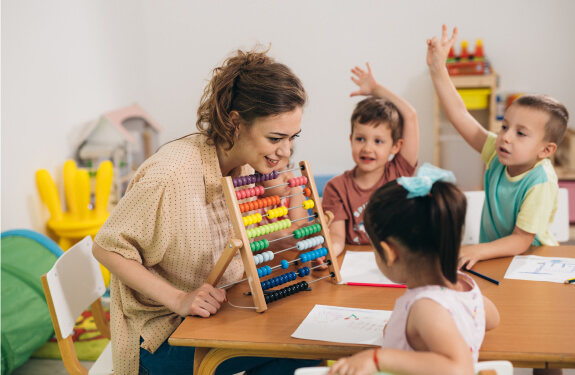
When children see trust between caregivers and teachers, they begin to feel more secure themselves.
What Most Parents Don’t See After They Leave
One of the biggest surprises for families is that many children calm down within minutes after drop-off.
Once children become engaged in meaningful activities, connect with peers, or receive support from trusted teachers, their nervous systems often settle quickly.
Over time, consistent routines and supportive environments help children develop:
Emotional resilience
Confidence
Independence
Trust in new environments
Healthy coping skills
These moments are not just difficult transitions. They are important developmental milestones.
Every confident goodbye begins with trust, connection, and support—and every child grows at their own pace.
Continue Exploring
Whole Child Development | Toddler Program | Entry-Level Preschool | Intermediate-Level Preschool | Pre-Kindergarten