

The Question Almost Every Parent Asks
If you’re searching for the right preschool, you’ve probably wondered:
“Am I pushing my child too hard?”
Or perhaps the opposite:
“What if my child falls behind because they’re just playing all day?”
For many parents, choosing a school feels like walking a tightrope between two fears. On one side is the pressure to prepare children for kindergarten and future academic success. On the other hand is the desire to protect childhood, encourage curiosity, and avoid unnecessary stress.
The truth is, this isn’t an either-or decision.
Research in early childhood education consistently shows that young children learn best when meaningful academics and purposeful play work together—not when one replaces the other.
Why Play Isn’t “Just Playing”
When adults hear the word play, it can sound unstructured or less valuable than traditional learning. But for young children, play is one of the most powerful ways the brain develops.
During play, children are learning to:
Solve problems
Communicate with others
Build vocabulary
Practice self-regulation
Develop creativity
Strengthen memory and attention skills
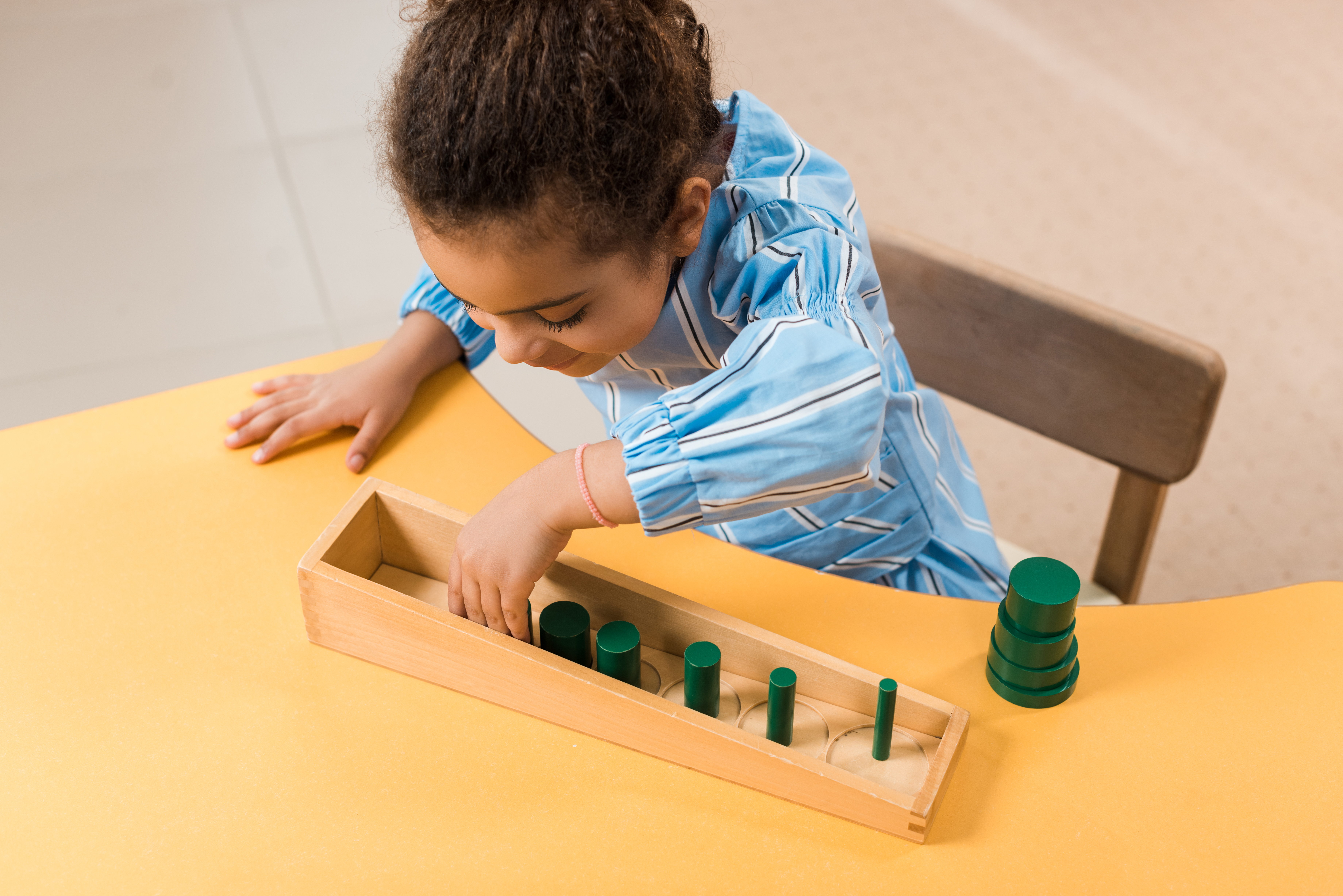
When children build a tower, negotiate turns with friends, pretend to run a grocery store, or explore a science activity, they are developing skills that support future reading, math, and critical thinking.
In fact, the first five years of life represent one of the most important periods of brain development. Children learn best when they are actively engaged, curious, and emotionally connected to what they are experiencing.
Why Academics Matter Too
At the same time, parents are right to think about school readiness.
Children benefit from exposure to foundational concepts such as:
Early literacy
Language development
Number sense
Problem-solving
Listening skills
Following directions
The goal isn’t to rush childhood by expecting preschoolers to sit at desks for hours. Instead, it’s to introduce academic concepts in ways that are developmentally appropriate and engaging.
When learning is connected to exploration, movement, discussion, creativity, and hands-on experiences, children build confidence alongside knowledge.
The Real Question Isn't Play vs. Academics; It's Balance
The better question is:
Does the school know how to balance both?
A high-quality preschool understands that children are not miniature elementary school students. They learn differently.
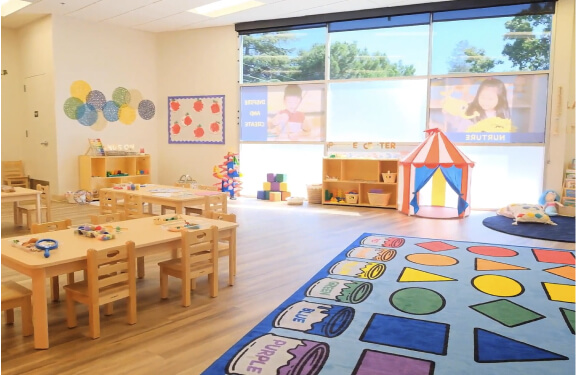
The strongest early learning environments create opportunities for children to discover academic concepts through meaningful experiences. Instead of choosing between play and academics, they integrate both into everyday learning.
For example:
A child learns math while measuring ingredients during a cooking activity.
Literacy skills grow through storytelling, conversations, and dramatic play.
Science concepts emerge through observation, experimentation, and exploration.
Social-emotional skills develop through collaboration and problem-solving with peers.
This balanced approach helps children remain engaged while building the foundational skills needed for future success.
What Should Parents Look for When Choosing a School?
When evaluating preschool programs, consider asking:
How does the program balance play and academics?
How are literacy and math introduced?
Are children encouraged to explore and ask questions?
How does the school support social-emotional development?
Does learning look engaging and joyful?
Are teachers adapting experiences to meet children where they are?
The best programs recognize that children develop at different rates and focus on nurturing growth rather than creating unnecessary pressure.
By meeting children where they are and building on their natural curiosity, they develop the confidence, skills, and love of learning that will prepare them for future success.
Preparing children for the future isn't about choosing between play and academics. It's about how they can thrive through both.
At Safari Kid, this balance is built into everything we do. Our curriculum blends purposeful play with age-appropriate academics guided by teachers trained to know exactly when a child is ready to explore a new concept and when they simply need room to imagine, build, and discover. It's how we help every child grow into a confident, curious learner, not just a kindergarten-ready one.
Curious what that looks like day-to-day? Find your nearest Safari Kid location to see the balance in action for yourself.
Frequently Asked Questions
1. Is play-based learning as effective as academic preschool?
Research shows play-based learning is not only effective but essential for young children; it builds the problem-solving, language, and self-regulation skills that academic learning later depends on. The most effective preschools don't choose one over the other; they weave academic concepts into hands-on, play-based experiences.
2. What age should academics start in preschool?
Foundational academic concepts like early literacy, number sense, and listening skills can be introduced as early as age 2–3, but in developmentally appropriate ways: through stories, songs, hands-on activities, and guided play rather than desk work or worksheets.
3. How do I know if a preschool balances play and academics well?
Ask how the school introduces literacy and math, whether children are encouraged to explore and ask questions, and whether learning looks joyful and engaging day to day. A strong program can clearly explain how it blends both, not just claim to.
4. Will play-based learning prepare my child for kindergarten?
Yes. Children who engage in rich, play-based learning tend to arrive at kindergarten with strong social-emotional skills, communication ability, and problem-solving confidence, all of which support academic success once formal schooling begins.
Continue Exploring
Beyond Daycare | Entry-Level Preschool | Intermediate Preschool | Pre-Kindergarten

.2609241028057.jpg)