
-
Today's Hours: 7:30 AM - 6:00 PM
-
Monday7:30 AM - 6:00 PM
-
Tuesday7:30 AM - 6:00 PM
-
Wednesday7:30 AM - 6:00 PM
-
Thursday7:30 AM - 6:00 PM
-
Friday7:30 AM - 6:00 PM


Entry Level Preschool in Walnut Creek, CA
A First School Experience Built for Children Starting at 2
At Safari Kid Walnut Creek - Oak Grove, our Tembo Tots Entry Level Preschool welcomes children starting at 2 years old, offering a program built specifically for the smooth transition between home and school. Our entry-level curriculum is designed to foster a love for learning while developing essential skills in a warm, nurturing environment. Every element is tailored to young learners, so children arrive curious and leave feeling capable.
Located in the heart of Walnut Creek, our center is easily accessible to local families. Our teachers are passionate about guiding children through their formative years, encouraging a naturally inquisitive mindset that lasts a lifetime. When families visit for the first time, we walk them through a typical morning so they can see how intentionally we structure each part of the day. Children begin with a cozy arrival routine, greeting teachers and friends before moving into small-group exploration at activity stations focused on early language, number sense, and fine-motor development. We alternate between calm, focused learning and active movement so young children stay engaged, regulate their energy, and feel secure in the rhythms of the day.
Call (925) 489-0974 or contact us online to learn more about early preschool in Walnut Creek today.
Benefits of the Tembo Tots Entry Level Preschool
From our curriculum to our community connections, every element of the program is designed to help young children thrive.
Comprehensive Curriculum
Our curriculum covers language, math, science, and the arts through thoughtfully sequenced experiences that build real-world understanding, not just memorization. During a science exploration, children might compare textures found in nature on our outdoor patio, then return indoors to draw what they observed and discuss it in a small group. Story time becomes an opportunity to practice early comprehension as we pause for open-ended questions, invite predictions, and encourage children to connect the story to their own lives.
Experienced Educators
Our teachers are highly trained in early childhood education and invested in ongoing professional learning so they can respond thoughtfully to the children in front of them. Throughout the year, our team collaborates to review classroom observations, share new strategies, and adjust activities to support different learning styles. That might mean offering multiple ways to engage with the same concept, such as counting with natural materials, movement games, and songs, so every child can participate confidently. Our educators also build trusting relationships with families, checking in at drop-off and pick-up and staying attuned to changes at home that might affect a child’s day.
Individualized Attention
We maintain low teacher-to-student ratios so teachers can notice the subtle milestones that mark early growth, such as a child beginning to share materials more willingly or using new vocabulary during play. Teachers document these moments and use them to plan next steps, whether that means offering more challenge in a certain area or extra practice with a particular skill. We also create quiet pockets in the day, like cozy reading corners or one-on-one table activities, so children who need a calmer pace feel just as supported as their more outgoing peers.
Safe & Stimulating Environment
We arrange materials on low, open shelves so children can make choices independently while staying within easy view of teachers. Soft rugs, natural light, and clearly defined play areas help children understand where each type of activity happens. Outdoors, we rotate materials such as balance beams, tricycles, and sensory bins to keep the environment fresh while maintaining consistent safety standards. Regular safety checks, secure entry procedures, and clear classroom routines give children the stability they need to focus on learning.
Community Connections
We actively engage with the Walnut Creek community through local events and partnerships with neighborhood organizations. When we explore topics like seasons or community helpers, we reference familiar landmarks or invite visiting guests to share simple demonstrations with the class. These experiences help children recognize that learning doesn’t stop at the classroom door; it continues as they walk through their neighborhood, visit local parks, and spend time with their families.
Safari Kid Teaching Methods
Our teaching methods are rooted in research-based practices that promote active learning and critical thinking. We use a variety of techniques to reach different learners, including:
- Hands-On Activities: Encouraging exploration and discovery through interactive projects and experiments.
- Play-Based Learning: Using play as a powerful tool for cognitive and social development.
- Technology Integration: Incorporating age-appropriate technology to enhance learning experiences.
By weaving cultural experiences, art installations, and music sessions into our regular curriculum, we expose children to a broader spectrum of learning and build the adaptability they’ll need for future challenges.
In our entry-level classrooms, teachers carefully observe children’s play and use those observations to shape what happens next. If a group shows interest in building with blocks, we might extend that interest by offering photos of local buildings, adding new construction materials, and introducing simple measuring tools. Children practice problem-solving, collaboration, and early math in a way that feels meaningful to them. Learning lives inside projects and games, not worksheets, which keeps curiosity alive and attention sustained.
Social-emotional learning runs alongside every academic concept. Teachers model conflict-resolution language, offering children the words to ask for a turn or work through a disagreement. During group meetings, children share how they’re feeling, listen to one another, and celebrate small accomplishments together. Over time, these daily routines build empathy, self-regulation, and resilience, all of which are essential for a positive school experience.
Preschool Readiness Programs
Our preschool readiness programs help children build the skills they need as they prepare for kindergarten and beyond, focusing on:
- Social Skills: Building confidence and cooperation through group activities and peer interactions.
- Emotional Development: Helping children understand and manage their emotions effectively.
- Academic Skills: Introducing foundational concepts in literacy and numeracy.
We enrich these programs with activities that mirror real-life scenarios, including pretend play that teaches practical life skills. Regular assessments let us track and adjust each child’s learning path so progress stays personalized.
We also pay close attention to the habits and routines that can help children thrive as expectations grow. We practice simple responsibilities together: putting belongings in cubbies, tidying shared materials, and following visual schedules that show the flow of the day. These seemingly small skills make a meaningful difference when children encounter new classroom communities, because they already know how one works.
Early academic concepts are introduced in ways that feel playful. Letter recognition might begin with noticing the first letter of a child’s name on their cubby label, then searching for that letter in picture books around the room. Early math can grow from counting snack pieces, sorting natural materials by size or color, or singing number songs during movement time. By grounding these ideas in everyday experiences, children start to see themselves as capable learners before they ever encounter formal instruction.
Preschool Enrollment Process
Enrolling your child at Safari Kid is a straightforward process designed to feel welcoming from the very first contact. Here’s how it works:
- Initial Inquiry: Contact us by phone or email to express your interest and schedule a tour.
- Tour and Consultation: Visit our center to meet our staff, explore our classrooms, and discuss your child’s needs.
- Application Submission: Complete and submit the enrollment application along with any required documentation.
- Enrollment Confirmation: Once your application is reviewed, you’ll receive confirmation of your child’s enrollment.
During the tour, you’ll see a typical day at Safari Kid firsthand and have space to discuss any specific needs your child may have. Before the first day, we invite you to complete a brief getting-to-know-you questionnaire and have a follow-up conversation with the classroom teacher about separation, nap schedules, or food preferences. This preparation helps us create a gentle transition plan, so the start of school feels reassuring for both children and parents.
As your start date approaches, we can confirm logistics and answer any last-minute questions. You’ll receive information about what to bring, how drop-off and pick-up work at our Walnut Creek location, and which communication tools we’ll use once your child begins attending. On the first day, teachers are ready to welcome your child with clear routines and warm familiarity, and we can keep you connected throughout the day via Procare so you know how things are going.
What a Day in Our Entry-Level Preschool Looks Like
Families often want to know what their child’s day will actually feel like. We follow a predictable yet flexible flow that supports both comfort and curiosity, guiding children through routines, play opportunities, and small-group moments that build confidence in a school setting.
The morning begins with a warm, unhurried arrival that gives children space to say goodbye to caregivers in the way that feels right for them. Once everyone has settled, we gather for a short community meeting with songs and a review of the visual schedule. Children then move into a mix of free-choice centers and teacher-guided activities, including sensory play, art invitations, and early literacy or math explorations. This balance lets children practice making choices while staying supported by familiar adults.
As the day continues, we weave in outdoor play, meals, rest, and quiet moments for recharging. Snack and lunch are relaxed chances to practice social skills like taking turns and using polite language. After a midday rest, the afternoon often includes small group projects or revisit time, when children return to unfinished creations or games from the morning. We close with a short reflection circle where children share something they enjoyed or learned, so they leave feeling proud and connected to their classroom community.
Throughout the day, our teachers watch closely for signs that a child needs extra reassurance, a new challenge, or a different way to participate. We adjust the pace for children still getting used to being away from home, offering extra comfort and gentle transitions. For children ready for more responsibility, we introduce simple classroom jobs or leadership roles during group times. The daily routine stays steady while still honoring the unique personalities and needs of every child in our care.
How We Partner With Walnut Creek Families
Choosing an entry-level preschool is about more than the classroom; it’s about feeling supported as a family. At our Walnut Creek center, we view parents and caregivers as essential partners in every child’s growth. Open, ongoing communication is a priority, so you know what your child is exploring and how you can extend that learning at home.
From the beginning, we invite you to share your goals and hopes for your child’s early school experience. Throughout the year, we offer scheduled conferences, informal check-ins at pick-up time, and written updates highlighting specific moments from your child’s week. We also share simple at-home activity suggestions that complement classroom themes, like conversation starters at the dinner table or playful games that build on what children are currently exploring. These shared efforts help children see that the important adults in their lives are working together on their behalf.
We host family-focused events throughout the year tailored to the interests and schedules of our community, including classroom showcases where children share their projects, seasonal gatherings celebrating cultural traditions, and workshops offering practical early learning ideas. Whether you participate in person, through photos and updates, or by contributing materials for a classroom project, we make it easy for busy caregivers to stay connected in ways that feel manageable and meaningful.
Preparing Children for the Next Step After Entry-Level Preschool
Entry-level preschool is an important bridge between early care and more formal schooling. In our program, we’re intentional about building the skills and confidence children need as they move into older preschool classrooms and beyond. We focus on gradual growth so each new step feels achievable, helping children associate school with success, joy, and a sense of belonging.
As children progress, we introduce small changes in expectations that match their developing abilities. A child might begin the year needing close support to follow group directions and gradually learn to participate more independently during circle time. We also help children grow comfortable with new materials, longer attention spans, and slightly more complex tasks like simple multi-step activities. Teachers stay mindful of each child’s readiness, offering encouragement and scaffolding so they experience the satisfaction of mastering something new.
Toward the end of the year, children may meet new teachers, visit different classrooms, or practice parts of the daily routine that mirror what comes next. Families are kept informed throughout about what the transition can involve and how we can support their child through it. By the time children are ready to move on, the people, spaces, and expectations ahead already feel familiar, which can make the next chapter something to look forward to rather than worry about.
Call (925) 489-0974 or contact us online to learn more about entry-level preschool today.
Frequently Asked Questions
What Age Can My Child Start the Tembo Tots Entry Level Preschool Program?
The Tembo Tots Entry Level Preschool program accepts children starting at 2 years. The program is designed specifically to support the home-to-school transition for very young children, meeting them where they are developmentally and building confidence from their very first days in a classroom setting.
What Are the Hours of Operation for Your Walnut Creek Location?
Our Walnut Creek location offers flexible hours to accommodate the varying schedules of our families. We open early in the morning and remain open until early evening so parents can drop off and pick up at times that suit their work and other commitments. Program days run Monday through Friday, providing the consistency and structure children need for steady development.
How Does Safari Kid Incorporate Local Culture into the Curriculum?
We’re committed to reflecting the vibrant culture of Walnut Creek within our curriculum. Our programs draw on local traditions and community activities, including music and arts from local events and community members who visit for storytelling or craft days. Connecting children with their surroundings and cultural heritage fosters a sense of belonging and appreciation for diversity.
How Can Parents Stay Involved With Their Child’s Learning?
Family involvement is central to our approach at Safari Kid. We offer parent-teacher conferences, volunteer days, and family workshop sessions, along with regular updates that keep communication open and ongoing. This partnership helps families understand our methods and goals while contributing meaningfully to their child’s learning journey.
For more information about our entry-level preschool program or to schedule a visit, please contact us online or call us at (925) 489-0974 today.
-
Cognitive

We encourage curiousity and a love for learning that inspires children to explore and discover.
-
Social

Children learn vital social skills through activities that emphasize cooperation and sharing.
-
Language & Literacy

Communication skills are developed through interactive and engaging activities.
-
Physical

We ensure children build strong, healthy bodies while fostering a love for movement.
-
Emotional

Our approach to emotional learning helps children recognize, express, and manage feelings.
-
Health & Care
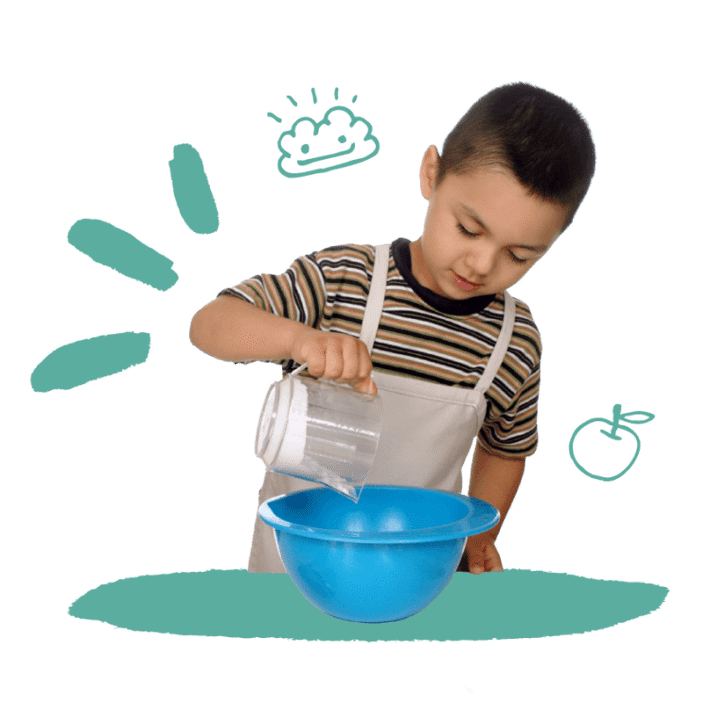
Children learn to recognize and attend to their own needs, those of others, and the environment.
-
-
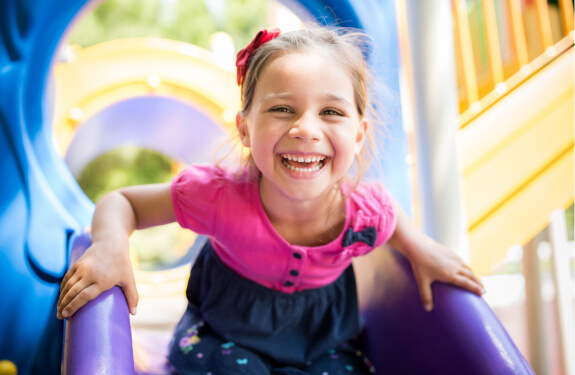 Whole Child DevelopmentWe nurture academic, social, emotional, and physical development through play.
 -
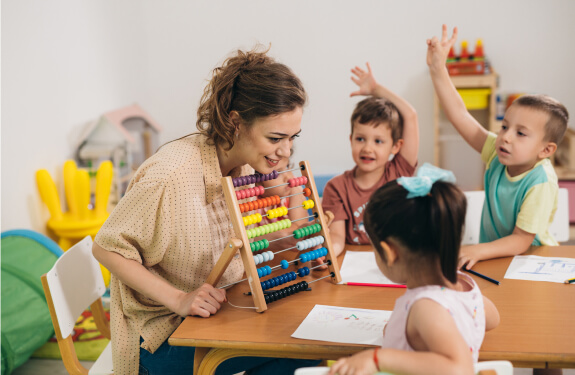 Cutting-Edge CurriculumResearch-backed education provides an invaluable headstart.
 -
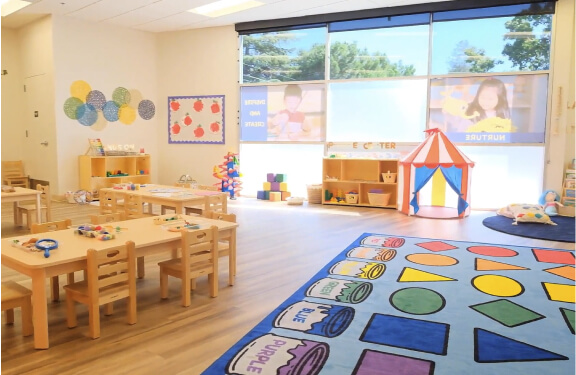 Welcoming EnvironmentThoughtfully designed facilities foster curiosity, safety, and rich learning.

-
2005The first Safari Kid Launches in Newark, CA
-
2007Safari Kid’s Eclectic Philosohpy is Introduced
-
2008The Proprietary Booklet System is Released
-
2009After-School Programs & Summer Camp Launch
-
2011The Safari Kid Toddler Program is Launched
-
2014The Safari Kid Infant Program is Launched
-
2015Environmental Guidelines Are Developed
-
2020The Kindergarten Program is Launched
The WISDOM Learning Path at Safari Kid
Every experience in the Tembo Tots Entry Level Preschool is shaped by Safari Kid’s proprietary curriculum framework: the WISDOM Learning Path. This research-grounded approach addresses the primary domains of early childhood development, including cognitive, social, emotional, physical, language and literacy, and health and care. Rather than following a single methodology, WISDOM draws on proven philosophies, including Montessori and Reggio Emilia, to create a whole-child experience tailored to each child’s pace and personality.
Curriculum design matters, but the quality of teacher-child interaction shapes outcomes just as much as lesson content. The WISDOM Learning Path is built around this understanding, addressing not only what children learn but how teachers engage with and support them every day.
Wonder
The classroom environment is designed to spark curiosity. Sensory-based learning and hands-on explorations invite children to investigate, question, and discover at their own pace.
Imagination
Pretend play and open-ended creative activities are woven throughout the day, honoring children’s natural inclinations and helping them feel inspired by the act of learning itself.
Security
A safe, nurturing environment is foundational. Children take intellectual and social risks more readily when they trust the people and spaces around them, and building that trust is a deliberate part of every routine.
Discussion
Communication is central to early development. We encourage children to ask questions, express their thoughts clearly, and listen attentively to others, laying the groundwork for language and literacy growth.
Observation
Children practice noticing and describing what they discover. At the same time, their teachers track developmental milestones through careful observation and use what they see to inform next steps for each child.
Mentorship
Our educators are trained to meet children exactly where they are. They bring parents along as partners on the journey, helping ensure that the support children receive at school is reinforced and extended at home.


-
I would recommend safari kid to anyone looking for a great experience.Jill Turek
-
The dedicated staff at Safari Kids create a nurturing and stimulating environment, making it a perfect place for early childhood development.Sushma Venkatayogi
-
School environment is exceptional. Very colorful, bright, and playful environment, which attracts children’s attention.Katie LO
How the Tembo Tots Curriculum Develops the Whole Child
The Tembo Tots Entry Level Preschool curriculum is organized around six named development domains, each supported by specific activity types designed to develop the whole child from the ground up. The program builds on the foundational experiences available to children starting at 2 years, with a research-driven curriculum, credentialed educators, and flexible scheduling.
Cognitive Development
Hands-on activities involving numbers, patterns, and cause-and-effect relationships give children concrete ways to build problem-solving skills. Open-ended play and artistic activities extend this further, fostering curiosity, imagination, and creative thinking that carries into every other area of learning.
Language & Literacy Development
Storytelling, phonics, and language games are woven into daily routines to build foundational reading and writing skills. We also introduce basic words in a foreign language and simple sign language, promoting communication alongside cultural understanding from a very early age.
Physical Development
Fine motor skills grow through drawing, painting, and manipulating small objects, strengthening hand muscles and hand-eye coordination. Indoor and outdoor active play, along with simple yoga stretches, develops strength, flexibility, and coordination to support the whole body.
Social & Emotional Development
A supportive classroom built for cooperative play, turn-taking, and sharing gives children regular practice with meaningful social interactions. Children also learn to identify and label their emotions, understand what triggers them, and develop healthy ways to express and manage how they feel.
Health & Care Development
Teachers encourage open conversations about emotions and introduce simple mindfulness and breathing techniques to help children manage feelings like fear or anxiety. Guided practice with conflict resolution builds early problem-solving skills and helps children feel capable of working through challenges alongside their peers.


Wondering where to start? Explore our early childhood education programs to learn more about specific age groups and curriculum options. You can also contact us online to find out more!