
-
Today's Hours: 7:30 AM - 6:00 PM
-
Monday7:30 AM - 6:00 PM
-
Tuesday7:30 AM - 6:00 PM
-
Wednesday7:30 AM - 6:00 PM
-
Thursday7:30 AM - 6:00 PM
-
Friday7:30 AM - 6:00 PM


Pre-Kindergarten near Dublin
A Nurturing Start to a Lifetime of Learning
The pre-kindergarten year is a meaningful milestone for both children and families. It is a time when children begin developing the academic, social, and emotional foundations that will support their transition into kindergarten and beyond. Families exploring pre-kindergarten options near Dublin often want a program that balances school readiness with play, curiosity, and emotional security.
At Safari Kid Walnut Creek - Oak Grove, families are welcomed into an early learning environment designed to support the whole child. The pre-kindergarten program is built on research-driven practices that address cognitive growth, language development, social skills, emotional awareness, physical coordination, and daily care routines. The learning environment is intentionally calm, engaging, and predictable, helping children feel safe, confident, and motivated to participate each day.
Safari Kid brings global experience in early childhood education into the local classroom. The proprietary curriculum draws inspiration from Montessori, Reggio Emilia, and other respected educational approaches. Structured learning is balanced with open-ended exploration so children develop independence, creativity, and a genuine interest in learning.
A Warm, Research-Driven Start for the Pre-K Year
Families of four- and five-year-olds often look for a program that introduces academic concepts without pressure. The pre-kindergarten curriculum is designed to meet children where they are developmentally while gently preparing them for kindergarten expectations. Learning experiences are purposeful, play-based, and thoughtfully guided by trained educators.
Holistic Focus on Every Area of Development
The curriculum emphasizes more than early reading and math skills. Children also develop communication abilities, social awareness, emotional regulation, physical coordination, creativity, and healthy daily habits. Learning activities support both individual growth and cooperation within a classroom community.
Inspired by Respected Educational Approaches
Montessori principles influence the use of child-sized materials and opportunities for independence. Reggio Emilia concepts inspire project-based learning, expressive activities, and thoughtfully prepared environments. These philosophies are integrated into a cohesive framework that reflects current research and the needs of children near Dublin.
Inside the Pre-Kindergarten Classroom
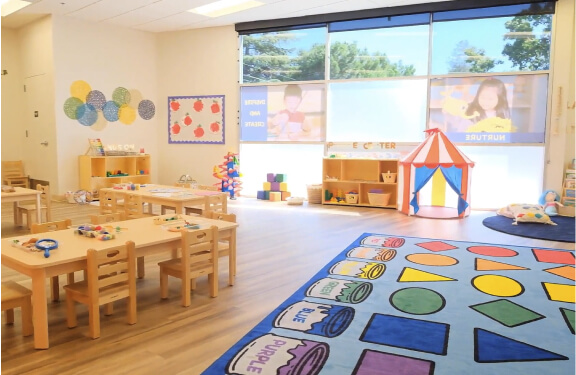
The classroom environment is designed with intention and care. Natural tones, child-sized furnishings, and organized learning areas allow children to move independently while remaining supported. Materials are accessible and arranged to encourage exploration, choice, and responsibility.
Children have access to:
- Dedicated areas for literacy, math, and hands-on discovery.
- Creative spaces for art, dramatic play, and building.
- Quiet corners for reading and reflection.
- Outdoor spaces used daily for movement, observation, and exploration.
Outdoor learning is considered an extension of the classroom. Time spent outside supports physical development, curiosity about nature, and opportunities for collaborative play.
Ensure your child is fully prepared for the transition to elementary school with our balanced, research-driven curriculum. To schedule a tour or talk with our team, please call (925) 489-0974.
A Predictable Yet Flexible Daily Rhythm
Each day follows a consistent structure that helps children feel secure. Morning routines include arrival activities and group time, which support social connection and communication. Learning centers rotate throughout the day, allowing children to engage in small-group experiences focused on literacy, math, science, and creative expression.
Teachers guide transitions with clear expectations and gentle reminders. The schedule allows flexibility to respond to children's energy levels and interests while maintaining consistency. Cleanliness, organization, and supervision remain priorities throughout the day.
How the Curriculum Builds Kindergarten Readiness and Confidence
Kindergarten readiness is approached as a combination of academic understanding, social competence, and emotional resilience. Children participate in learning experiences that feel playful while supporting clear developmental goals.
Early Literacy, Language, and Communication
Children explore stories, sounds, vocabulary, and early writing through discussion, dramatic play, drawing, and shared reading. These activities strengthen listening skills, expressive language, and early literacy awareness.
Early Math, Problem Solving, and Discovery
Math concepts are introduced through hands-on materials such as blocks, sorting tools, and pattern games. Children develop number sense, spatial reasoning, and problem-solving skills through meaningful exploration.
Tailored Support for Every Child
Educators observe children regularly and use assessments to guide instruction. Support is adjusted based on individual needs, helping each child feel capable and confident while progressing at their own pace.
A Whole Child Approach That Honors Every Learner
Children bring unique personalities, interests, and learning styles into the classroom. The program is designed to respect those differences while fostering a sense of belonging.
Building Strong, Trusting Relationships
Teachers focus on building consistent, trusting relationships with each child. Activities are inclusive and adaptable, allowing children to participate in ways that feel comfortable and encouraging.
Intentional Social and Emotional Learning
Social and emotional skills are integrated into daily routines. Children practice identifying emotions, resolving conflicts, and cooperating with peers through guided experiences and modeling.
Partnering with Families
Strong communication with families is a central part of the program. Educators share daily highlights and updates using tools such as Procare, along with periodic classroom updates. Families receive regular progress summaries and opportunities to discuss development and goals.
Family events and classroom activities are planned with consideration for local schedules, helping caregivers stay connected to their child's learning experience.
Frequently Asked Questions
1. How do I know if my child is ready for pre-kindergarten?
Most children are ready for pre-kindergarten between four and five years old. Readiness may include curiosity, growing independence, interest in peers, and the ability to follow simple directions. Children do not need to master every skill before starting, as growth is supported throughout the year.
2. What does a typical day look like in your pre-k classroom?
A typical day includes structured routines, small-group learning centers, outdoor play, and quiet activities. Teachers balance guided instruction with flexibility to meet children's needs.
3. How will you help my child get ready for kindergarten?
Kindergarten readiness is supported through early literacy, math, social skills, self-help routines, and emotional regulation. Children practice listening, cooperating, and managing classroom materials.
4. How will I hear about my child's progress and daily experiences?
Families receive regular updates through daily communication tools, photos, and progress summaries. Conferences and written reports provide deeper insight into development over time.
5. What if my child is shy, very active, or struggles with transitions?
Teachers use consistent routines, individualized strategies, and close observation to support different temperaments. Movement opportunities, visual cues, and gradual transitions help children adjust.
6. Can I visit the classroom before enrolling my child?
Classroom visits are encouraged so families can observe the environment, meet educators, and gain a clearer understanding of daily routines and expectations.
7. How is your pre-k program different from other options in the area?
The program combines a research-driven curriculum, whole-child focus, and thoughtfully designed learning spaces. Emphasis is placed on academic readiness, social-emotional development, and strong family partnerships.
Preparing Children for Confident Kindergarten Transitions
The pre-kindergarten years lay the groundwork for how children approach learning, relationships, and new challenges. A supportive environment, caring educators, and a balanced curriculum help children develop confidence, independence, and a positive connection to school. By focusing on whole-child development and maintaining strong communication with families, Safari Kid Walnut Creek - Oak Grove provides a pre-kindergarten experience that supports steady growth and readiness for the next stage of education.
Step inside our nature-inspired classrooms to see how a calm, modern environment can spark your child's curiosity. To schedule a tour or talk with our team, please call (925) 489-0974.
-
Cognitive
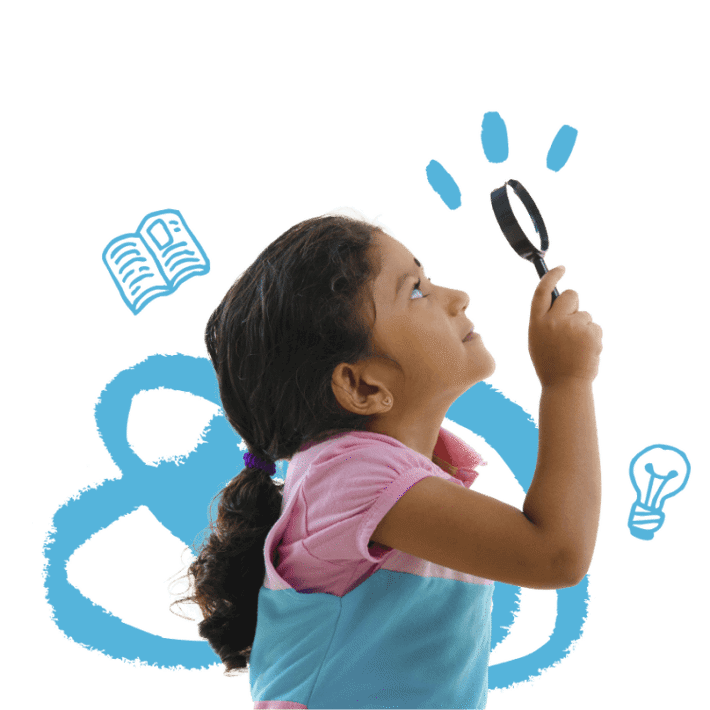
We encourage curiousity and a love for learning that inspires children to explore and discover.
-
Social

Children learn vital social skills through activities that emphasize cooperation and sharing.
-
Language & Literacy
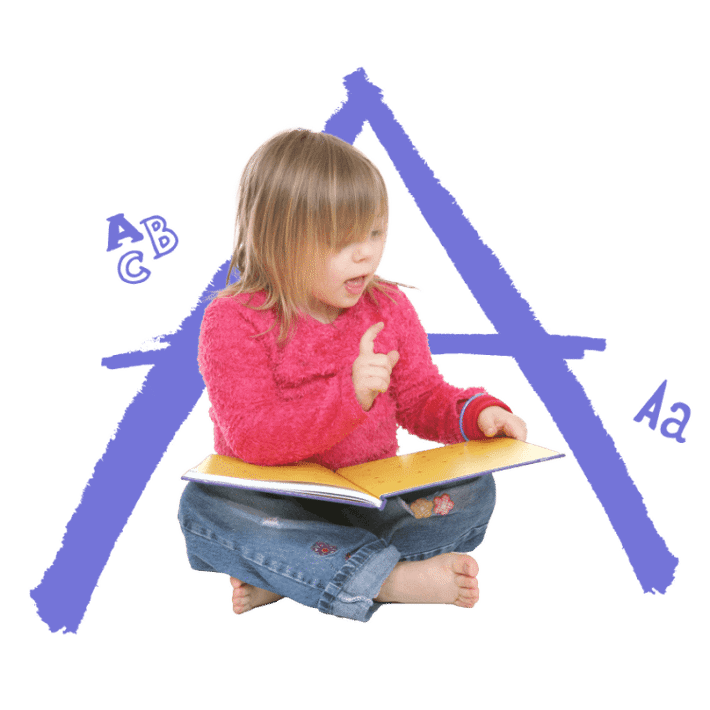
Communication skills are developed through interactive and engaging activities.
-
Physical
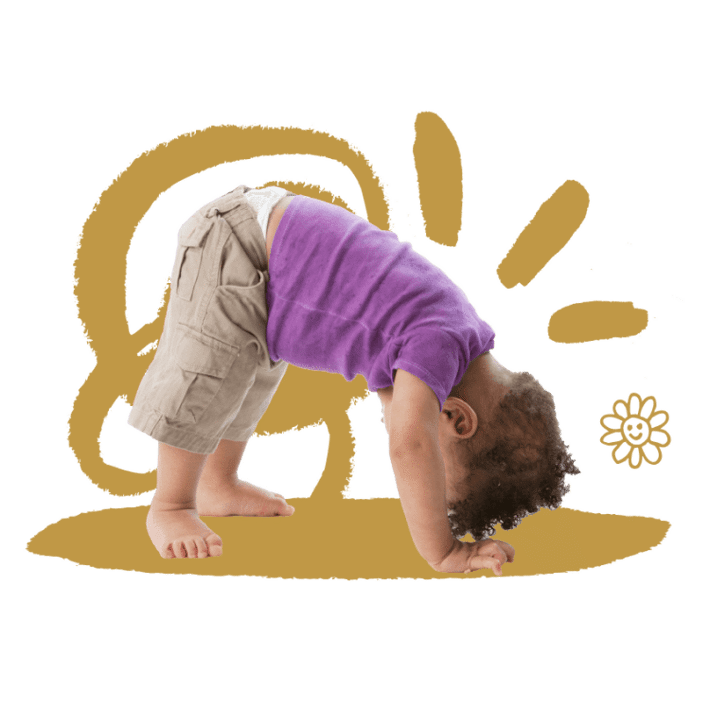
We ensure children build strong, healthy bodies while fostering a love for movement.
-
Emotional
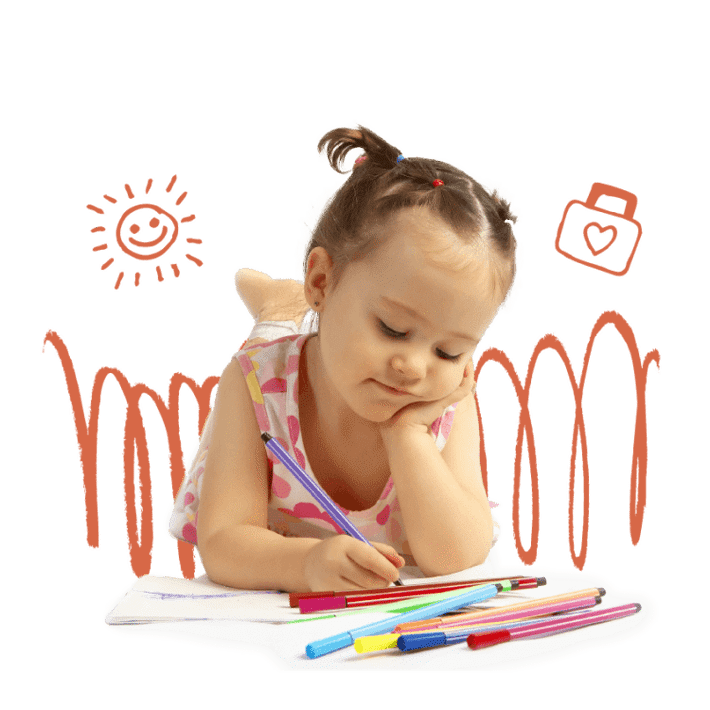
Our approach to emotional learning helps children recognize, express, and manage feelings.
-
Health & Care
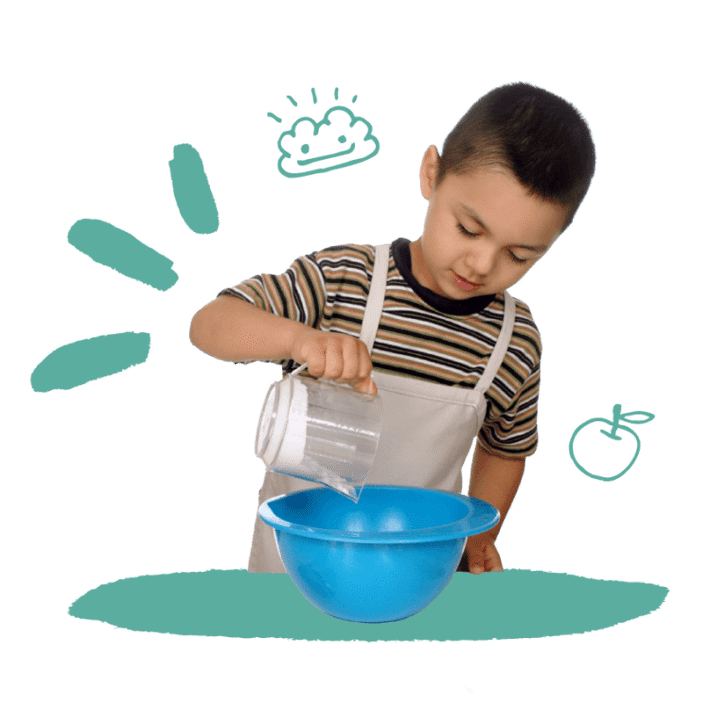
Children learn to recognize and attend to their own needs, those of others, and the environment.
-
-
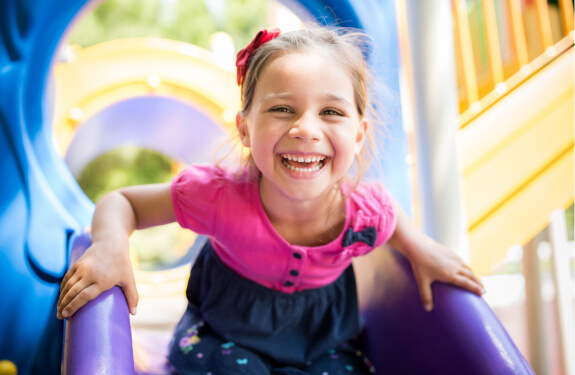 Whole Child DevelopmentWe nurture academic, social, emotional, and physical development through play.
 -
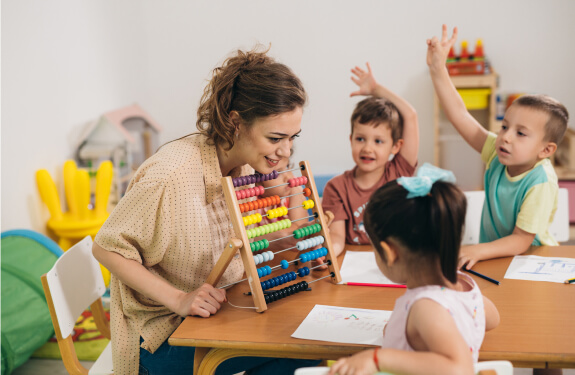 Cutting-Edge CurriculumResearch-backed education provides an invaluable headstart.
 -
 Welcoming EnvironmentThoughtfully designed facilities foster curiosity, safety, and rich learning.

-
2005The first Safari Kid Launches in Newark, CA
-
2007Safari Kid’s Eclectic Philosohpy is Introduced
-
2008The Proprietary Booklet System is Released
-
2009After-School Programs & Summer Camp Launch
-
2011The Safari Kid Toddler Program is Launched
-
2014The Safari Kid Infant Program is Launched
-
2015Environmental Guidelines Are Developed
-
2020The Kindergarten Program is Launched
Safari Kid Builds Relationships
Relationships are important to many aspects of life, and it's no different for young children. At Safari Kid, we value building strong relationships with our parents and students, as well as helping children develop relationships with peers and teachers. We foster meaningful relationships through:
- Encouraging parents to participate and collaborate with teachers
- Creating a nurturing environment with highly qualified, caring staff
- Teaching children how to interact with peers and develop positive relationships
Good friends, teachers, and schools are foundations for success in life. Early relationships can shape the way a child learns, grows, and develops into adulthood.


-
I would recommend safari kid to anyone looking for a great experience.Jill Turek
-
The dedicated staff at Safari Kids create a nurturing and stimulating environment, making it a perfect place for early childhood development.Sushma Venkatayogi
-
School environment is exceptional. Very colorful, bright, and playful environment, which attracts children’s attention.Katie LO
Safari Kid Offers a Safe & Welcoming Environment
At Safari Kid, the environment plays a crucial role in the learning process, influenced by the renowned Reggio Emilia philosophy, which considers the environment as the “third teacher.” They’re crafted to inspire exploration, discovery, and the joy of learning. Key elements of our environment include
- Sparkling clean, modern facilities maintained with meticulous care
- Thoughtfully organized and modern spaces that encourage your child’s natural curiosity
- Engaging indoor and outdoor spaces designed for safe, active play
Where your child spends their day matters! Our facilities are designed to provide a safe, healthy, and welcoming space for children to learn and grow.


Wondering where to start? Explore our early child education programs to learn more about specific age groups and curriculum options. You can also contact us online to find out more!