


Childcare & Preschool Near Portland
Whole Child Learning from Infancy through Pre-Kindergarten
Portland families looking for childcare, preschool, or an early childhood education program can connect with our team at Safari Kid of Tigard. We offer age-based programs from infancy through pre-kindergarten, giving families a consistent approach to care and learning during these formative years.
We approach early education holistically, nurturing cognitive, social, emotional, physical, language and literacy, and health and care development as connected parts of the same whole. In nature-inspired classrooms, educators take the time to know each child, creating a space where children can feel secure and curious.
What Portland families can find in our program:
- Age-based care and education from infancy through pre-kindergarten
- A whole child curriculum that goes beyond academics alone
- A balance of structured guidance and open-ended exploration
- Educators who build relationships with children and observe their individual development
Contact us online or call (503) 676-3873 to connect with our team and plan your visit near Portland.
More Than Childcare: A Learning Community
Families often want more than basic supervision for their children. They want a place built around guided learning, meaningful play, and supportive relationships.
Our whole child approach includes:
- Whole Child Focus: Academic, social, emotional, language, physical, and health and care development
- Balanced Learning: A thoughtful mix of structured lessons and open exploration
- Engaging Classrooms: Purposeful spaces for art, science, early math, literacy, and creativity
- Age-Based Continuity: Programs that support children from infancy through pre-kindergarten
- Supportive Community: Genuine connections among families, children, and educators
Our curriculum includes literacy, math, science, and creative expression, all within a social setting where children build friendships and learn to express themselves. Classrooms shift between guided instruction and interest-based learning stations.
Structured guidance gives children opportunities to develop new skills, while open-ended exploration leaves room for curiosity, decision-making, and creative thinking. Teachers use everyday observation and assessment to understand how each child engages with activities and when to adjust their guidance.
Childcare, Preschool & Pre-Kindergarten Programs
Our age-based programs address the changing care, communication, movement, and learning needs of children from infancy through pre-kindergarten. Programs follow Oregon childcare guidelines for age groups and group size.
Infant Care
Our infant care program centers on responsive care and relationship-building during a stage of rapid growth. Educators provide developmentally appropriate opportunities for sensory exploration, movement, communication, and interaction.
Toddler & Two-Year-Old Programs
Toddlers and two-year-olds learn through movement, repetition, language, and hands-on discovery. Classroom experiences support growing independence, communication, social interaction, and the ability to participate in familiar routines.
Preschool
Our preschool program introduces project-based learning, early literacy, math, science, creative expression, and collaborative play. Children can investigate ideas through guided activities and interest-led experiences while practicing communication and problem-solving.
Pre-Kindergarten
Pre-kindergarten experiences encourage responsibility, teamwork, critical thinking, and growing independence. The curriculum supports foundational skills and classroom habits for children’s next school setting.
A Curriculum Influenced by Montessori & Reggio Emilia
If you’ve researched early education in Portland, you’ve likely come across Montessori and Reggio Emilia and wondered what they’d mean for your child day to day. We draw inspiration from both philosophies and combine them with ongoing early childhood research to shape our own proprietary curriculum.
Montessori shapes our respect for independence, self-directed work, and intentionally prepared environments. Reggio Emilia informs how we see children as naturally capable and curious, deserving of real opportunities to express themselves through art, movement, and shared projects.
Our program isn’t a strict implementation of either philosophy. We translate these influences into hands-on learning, small-group activities, play-based lessons, interest-led projects, and teacher guidance informed by ongoing observation.
The core of our educational approach:
- Choice-driven activities that build independence and a sense of responsibility
- Small-group learning that strengthens language and cooperative problem-solving
- Play-based lessons supporting early literacy, math, and science
- Projects shaped by each child’s genuine interests and curiosity
- Continuous observation guiding each child’s individual next steps
These experiences give children opportunities to practice adaptability, confidence, communication skills, and resilience for the school experiences ahead.
A Day in Our Early Learning Classrooms
Each age group keeps its own rhythm, but every classroom shares the same balance of structure and flexibility. Predictable routines help children understand what comes next, while flexible activities allow educators to respond to the needs and interests of the group.
Morning Routines & Learning Centers
Mornings begin with teachers greeting children by name and giving families a moment to connect. Group time may follow, complete with songs, sharing, and a look at what’s ahead.
From there, children can move through hands-on learning centers suited to their age. Younger children may explore sensory materials and pretend-play areas, while preschool and pre-kindergarten children engage with literacy, science, early math, or creative art activities. Teachers stay nearby to guide participation and encourage children through open-ended questions.
Outdoor Play, Daily Activities & Transitions
Nature-inspired indoor and outdoor spaces give children opportunities to explore, move, and interact with one another. Outdoor experiences complement classroom learning with age-appropriate movement, discovery, and social play.
A glimpse into a typical day:
- Storytime that builds early language and comprehension skills
- Simple science activities, such as observing plants or exploring water
- Art projects using varied materials to practice fine motor coordination
- Music and movement activities that invite rhythm and creative expression
- Meals, rest, outdoor play, and transitions suited to each age group
Throughout the day, teachers guide transitions with visual cues and steady, consistent routines. This approach gives children a predictable framework while they practice managing change, participating in groups, and expressing their needs.
Family Communication
We know children benefit when home and school work in tandem. Clear, consistent communication helps families understand their child’s experiences and share observations, priorities, or questions with educators.
Through Procare, we share classroom photos, updates, and daily highlights that make it easier to continue the conversation at home. We also share classroom projects and school events through social media when appropriate.
Assessment is woven naturally into everyday moments. Teachers observe children as they explore and play, gather examples of their development, and share insights during scheduled conferences and everyday conversations. These discussions center on your goals for your child.
Family events, classroom celebrations, and workshops help deepen our sense of community, giving children an opportunity to share their school experiences and families a chance to build relationships with one another.
Comparing Childcare & Preschool Options near Portland
A useful comparison looks beyond whether a program is labeled daycare, childcare, preschool, or early childhood education. Families can consider how care and learning fit together, which ages are served, what children experience each day, and how educators communicate with parents.
Questions to consider when comparing programs:
- Age Range: Does the program serve your child’s current stage and offer continuity as developmental needs change?
- Learning Approach: Does the curriculum balance teacher guidance, hands-on activities, open-ended exploration, and play?
- Whole Child Development: Does the program address social, emotional, language, physical, and cognitive growth alongside early academics?
- Daily Experience: How are group activities, child-directed play, outdoor time, meals, rest, and transitions approached?
- Family Communication: How will educators share updates, observations, and developmental insights?
- Individual Support: How do teachers observe children and adjust activities for different learning needs?
Our proprietary curriculum combines structured learning, open-ended exploration, play-based activities, and ongoing observation. We maintain family communication through Procare, conferences, everyday conversations, and family events, giving Portland families several ways to stay connected.
Planning a Visit from Portland
If you’re exploring a childhood education program near Portland, visiting our Tigard location is a practical place to start. Seeing the classrooms, indoor and outdoor learning spaces, daily routines, and educator-child interactions can provide useful context for your decision.
During your visit, our team can discuss the routines and learning experiences associated with your child’s age-based program. We can also take time to learn about your child’s personality, developmental needs, current routines, and your family’s priorities.
Our local team can explain the enrollment process and answer questions about the curriculum, communication, and classroom experience. Because tuition, program details, and enrollment circumstances can vary, the visit is also the right time to request current information relevant to your family.
Ready to give your little one a fun, supportive space to learn, play, and grow? Click here to request a consultation, or call our team at (503) 676-3873.
-
Cognitive
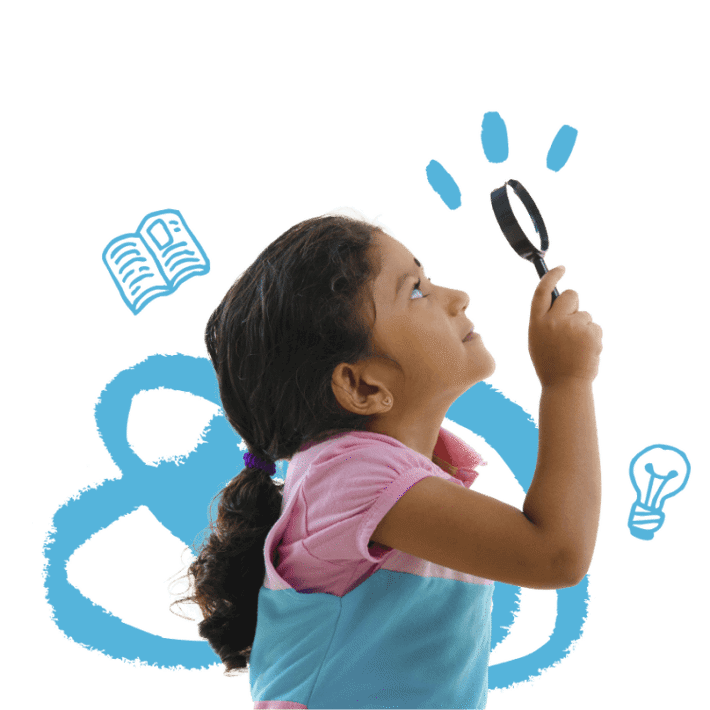
We encourage curiousity and a love for learning that inspires children to explore and discover.
-
Social

Children learn vital social skills through activities that emphasize cooperation and sharing.
-
Language & Literacy
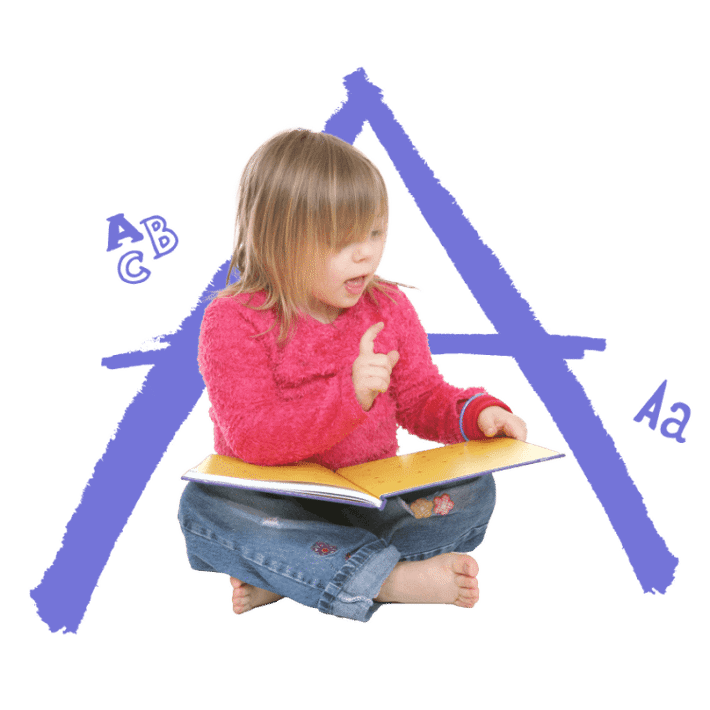
Communication skills are developed through interactive and engaging activities.
-
Physical
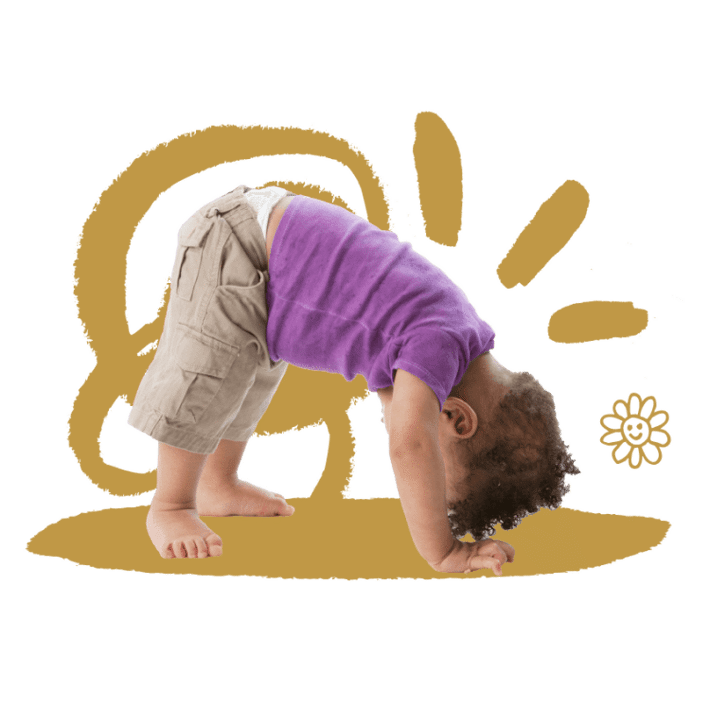
We ensure children build strong, healthy bodies while fostering a love for movement.
-
Emotional

Our approach to emotional learning helps children recognize, express, and manage feelings.
-
Health & Care
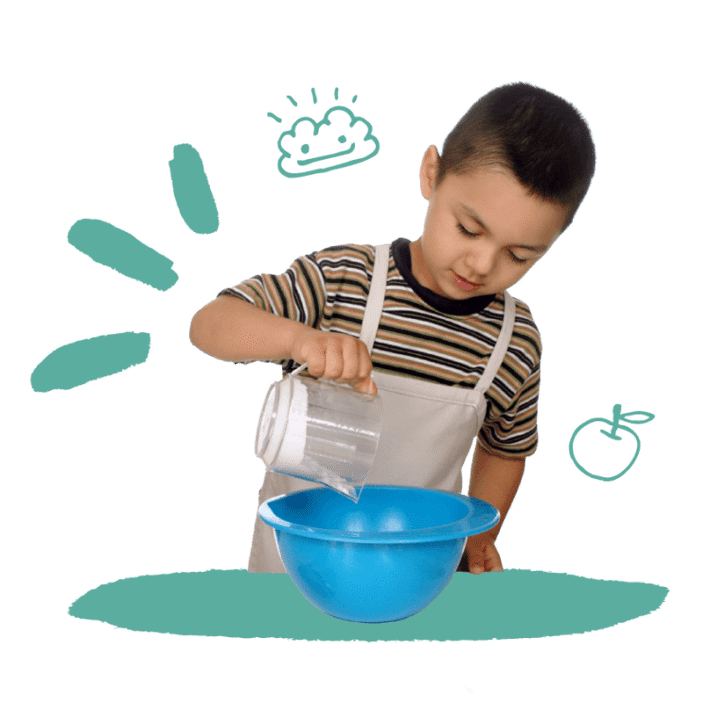
Children learn to recognize and attend to their own needs, those of others, and the environment.
-
-
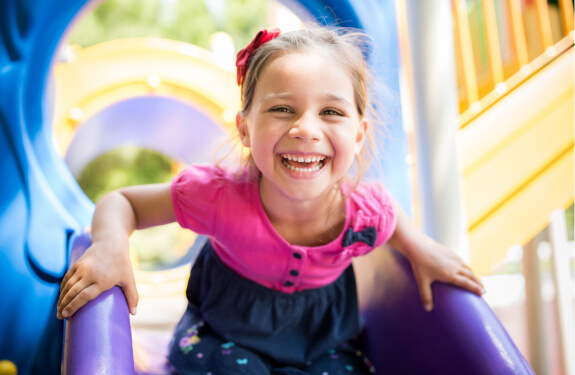 Whole Child DevelopmentWe nurture academic, social, emotional, and physical development through play.
 -
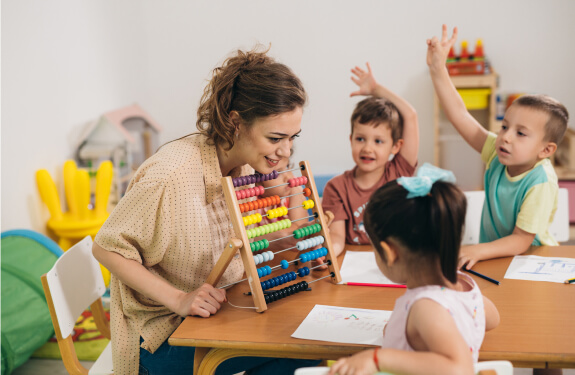 Cutting-Edge CurriculumResearch-backed education provides an invaluable headstart.
 -
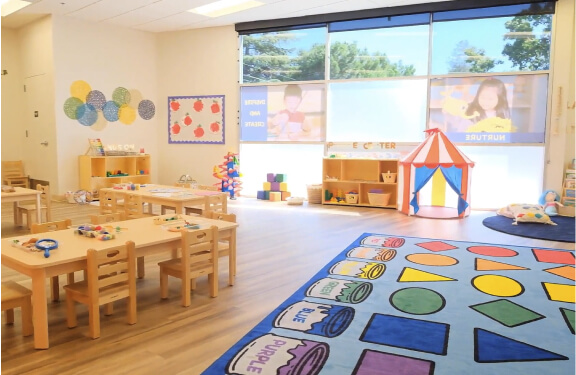 Welcoming EnvironmentThoughtfully designed facilities foster curiosity, safety, and rich learning.

-
2005The first Safari Kid Launches in Newark, CA
-
2007Safari Kid’s Eclectic Philosohpy is Introduced
-
2008The Proprietary Booklet System is Released
-
2009After-School Programs & Summer Camp Launch
-
2011The Safari Kid Toddler Program is Launched
-
2014The Safari Kid Infant Program is Launched
-
2015Environmental Guidelines Are Developed
-
2020The Kindergarten Program is Launched
What to Look for during a Childcare Center Tour
A tour gives your family an opportunity to see how a program’s stated approach appears in the classroom. At our Tigard location, Portland families can observe the learning environment, explore indoor and outdoor spaces, and ask how routines and activities change from infant care through pre-kindergarten.
During your visit, consider asking about:
- Daily routines for your child’s age group
- The balance of guided learning and open-ended play
- How educators support transitions between activities
- How observation and assessment inform classroom support
- How photos, updates, and developmental insights are shared
- The steps involved in the current enrollment process
Our team can also talk with you about your child’s personality, developmental needs, routines, and interests. This conversation helps you evaluate program fit while giving you accurate information about our curriculum, family communication, and age-based options.
How Play-Based Learning Supports Whole Child Development
Play-based learning gives children opportunities to explore ideas through movement, conversation, experimentation, creativity, and collaboration. Teacher guidance remains part of the experience, but children also have room to make choices, test possibilities, and pursue questions in developmentally appropriate ways.
Our hands-on learning, guided activities, and open-ended exploration support multiple areas of development. A collaborative building activity, for example, can involve early math, communication, problem-solving, fine motor movement, and social negotiation within the same experience.
Our learning experiences can include:
- Art activities that invite creative expression and fine motor practice
- Music and movement that encourage listening, rhythm, and physical activity
- Science exploration that allows children to observe, compare, and ask questions
- Literacy and language activities involving stories, conversation, sounds, and symbols
- Early math experiences using patterns, quantities, sorting, and spatial relationships
- Cultural and collaborative activities that introduce different forms of expression and shared learning
Our educators observe children during guided activities and play, then use those observations to adapt support for individual learning needs.


-
I would recommend safari kid to anyone looking for a great experience.Jill Turek
-
The dedicated staff at Safari Kids create a nurturing and stimulating environment, making it a perfect place for early childhood development.Sushma Venkatayogi
-
School environment is exceptional. Very colorful, bright, and playful environment, which attracts children’s attention.Katie LO
Frequently Asked Questions
How is my child's safety ensured throughout the day?
Safety is foundational to how we operate: secure facilities, consistent routines, and close supervision from trained educators. Our spaces are purpose-built for young children, supported by health and care practices that protect both physical and emotional well-being.
What age groups does your program serve?
We support children from infancy through elementary school, moving them into classrooms suited to each developmental stage as they grow. That means Portland families can stay within one community the entire way, something many parents find especially reassuring.
How will I know what's happening with my child day-to-day?
We share consistent updates through tools like Procare, along with in-person conversations and scheduled conferences. Expect regular insight into your child's daily experience, progress, and milestones, plus an open door for your questions.
What does a typical day look like?
Expect a mix of warm welcomes, group time, hands-on learning centers, outdoor play, meals, and rest, adjusted for age. Structure and flexibility work together so children can explore comfortably within a predictable routine.
Can your program adapt to different learning styles?
Yes, our teachers plan around each child individually, using ongoing observation and assessment to adjust activities as needed. Our research-driven, child-centered curriculum gives us the flexibility to respond to different learning styles and work closely with families.
What's the real difference between daycare and a childhood education program?
Daycare typically emphasizes supervision and basic care. A childhood education program like ours is intentionally built around learning outcomes, cognitive, social, emotional, and physical, while still offering safe, attentive care throughout the day.
When is the right age to start?


Explore the Right Program for Your Child
Take the next step by speaking with our local team about infant care, toddler and two-year-old programs, preschool, or pre-kindergarten. We can answer questions about daily routines, curriculum, family communication, and the enrollment process before you plan a visit.
A conversation gives you space to discuss your child’s age, personality, developmental needs, and your family’s priorities.
Contact us online or call (503) 676-3873 to connect with our team and plan your visit near Portland.