

-
Today's Hours: 7:30 AM - 6:00 PM
-
Monday7:30 AM - 6:00 PM
-
Tuesday7:30 AM - 6:00 PM
-
Wednesday7:30 AM - 6:00 PM
-
Thursday7:30 AM - 6:00 PM
-
Friday7:30 AM - 6:00 PM


Infant Daycare Near Kimber-Gomes
Warm, Research-Informed Care Beginning at 6 Weeks
Our Bambino Infant Program welcomes babies starting at 6 weeks old into an environment shaped around responsive care, interactive play, and sensory experiences. At Safari Kid Fremont - Irvington, we pair a structured, research-informed curriculum with the warmth and familiarity young babies need as they begin care away from home.
Well-planned, playful activities introduce early learning without rushing development. We use gentle guidance to help each baby explore, connect with caregivers, and become more confident in their surroundings while serving families seeking baby daycare in the Kimber-Gomes neighborhood of Fremont.
Call (510) 680-2297 or contact us online to discuss whether the Bambino Infant Program is right for your baby.
A Gentle Home-to-Center Transition for Kimber-Gomes Families
The Bambino Infant Curriculum mirrors familiar home routines to promote feelings of safety and security. A consistent exchange of information about feeding, sleep, comfort, and daily routines helps families and caregivers support each baby’s transition into center care.
Our caregivers respond with soothing behaviors such as rocking and talking softly. Within the infant environment, age-appropriate sensory experiences invite babies to notice textures, sounds, faces, and movement. These calm interactions give each child time to explore new surroundings at an individual pace.
Five Areas of Development in Our Infant Curriculum
The Bambino Infant Curriculum supports whole-child growth across five connected developmental domains. Daily experiences are playful and purposeful, with activities selected for the ways babies learn through interaction, repetition, movement, and sensory exploration.
Our infant care activities support:
- Cognitive Development: High-contrast board books, discovery baskets, hidden-object activities, gestures, and textured sensory materials encourage babies to observe, reach, remember, and investigate.
- Language and Literacy Development: Playful conversations, narrated daily actions, simple object words, songs, nursery rhymes, and reading aloud surround babies with meaningful language.
- Physical Development: Grasping and manipulating objects help develop fine motor skills, while dancing and clapping encourage coordination, spatial awareness, and rhythm.
- Social and Emotional Development: Responsive caregiving and mirror exploration give babies opportunities to notice facial expressions, build self-awareness, and express emotions.
- Health and Care: Caregivers model soothing behaviors that support the gradual development of emotional self-regulation, which is a baby’s emerging ability to settle and manage responses with adult support.
-
Cognitive
We encourage curiousity and a love for learning that inspires children to explore and discover.
-
Social

Children learn vital social skills through activities that emphasize cooperation and sharing.
-
Language & Literacy
Communication skills are developed through interactive and engaging activities.
-
Physical
We ensure children build strong, healthy bodies while fostering a love for movement.
-
Emotional

Our approach to emotional learning helps children recognize, express, and manage feelings.
-
Health & Care
Children learn to recognize and attend to their own needs, those of others, and the environment.
-

-
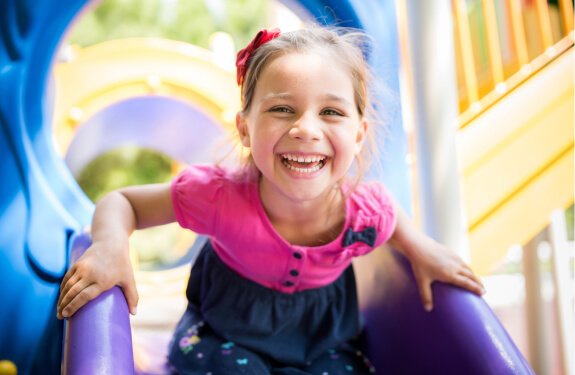 Whole Child DevelopmentWe nurture academic, social, emotional, and physical development through play.
-
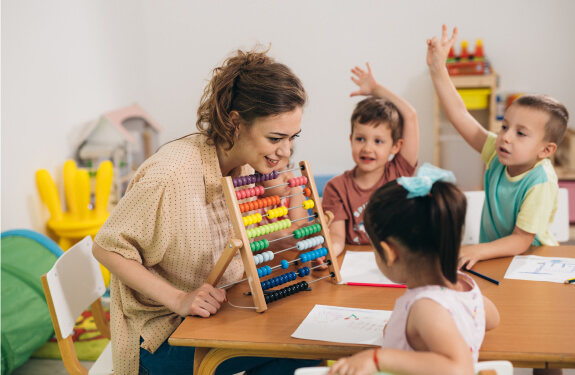 Cutting-Edge CurriculumResearch-backed education provides an invaluable headstart.
-
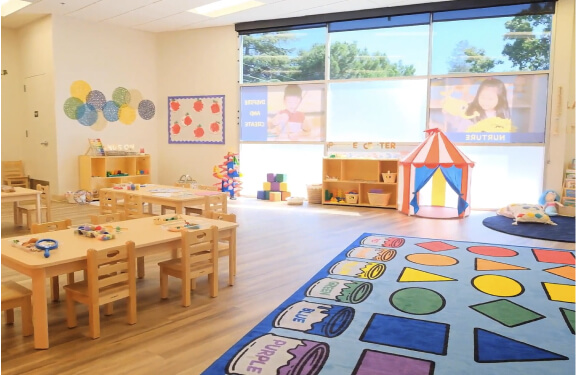 Welcoming EnvironmentThoughtfully designed facilities foster curiosity, safety, and rich learning.

-
2005The first Safari Kid Launches in Newark, CA
-
2007Safari Kid’s Eclectic Philosophy is Introduced
-
2008The Proprietary Booklet System is Released
-
2009After-School Programs & Summer Camp Launch
-
2011The Safari Kid Toddler Program is Launched
-
2014The Safari Kid Infant Program is Launched
-
2015Environmental Guidelines Are Developed
-
2020The Kindergarten Program is Launched
Responsive Infant Care Led by Experienced Educators
Infants depend on attentive adults during play, communication, routines, and soothing. We maintain low caregiver-to-child ratios in our infant program so caregivers can remain responsive throughout these everyday interactions.
Our program leadership includes:
- Ms. Gowri, Owner: She brings more than 15 years of experience as a Director and President across multiple Safari Kid locations.
- Ms. Arpita Biswas, Director: She holds ECE Credentials and has more than 6 years of childcare experience.
Under their leadership, caregivers pair purposeful exploration with the reassuring attention babies need throughout the day.


-
School environment is exceptional. Very colorful, bright, and playful environment, which attracts children’s attention.Katie LO
-
The dedicated staff at Safari Kids create a nurturing and stimulating environment, making it a perfect place for early childhood development.Sushma Venkatayogi
-
I would recommend safari kid to anyone looking for a great experience.Jill Turek
How to Evaluate Infant Child Care in California
Licensing is an essential starting point when evaluating an infant care center, but it isn’t the only consideration. California licenses and regulates child day care facilities through the Community Care Licensing Division, which operates within the California Department of Social Services. We encourage families to verify a center’s current license status directly through the department.
Families can also review these factors:
- Caregiver-to-child ratios: California Title 22 regulations require one teacher for every four infants in attendance at licensed infant care centers. This state requirement is separate from our program’s own staffing practices.


Daily Parent Communication & Developmental Assessments
We use Procare to give families daily progress updates. Parents can see how their baby ate, slept, played, and participated in care, while caregivers gain useful context about routines and comfort needs at home.
Regular developmental assessments help us track each child’s progress and refine our approach as needed. Family events further strengthen the home-school connection by creating opportunities for families to engage with our early-learning community.
Ask About Infant Care for Your Baby
Current information about infant program tuition, tours, and enrollment availability for families near Kimber-Gomes is available on our contact page. We can answer questions about details that may change.
Call (510) 680-2297 or contact us online to discuss infant care with our team.
