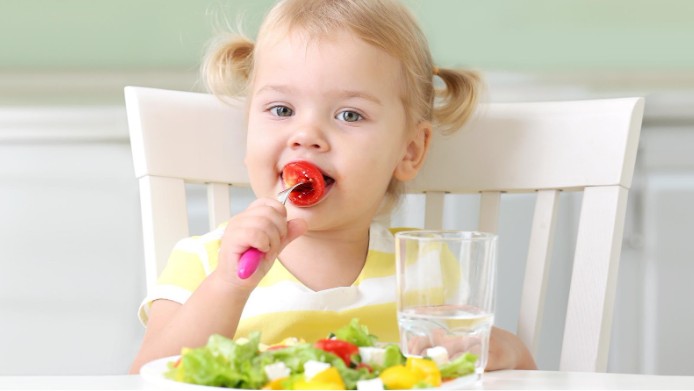
If you’ve ever prepared a healthy meal for your preschooler only to hear “I don’t like it!” before they’ve even taken a bite, you’re not alone. Many parents find that feeding young children can feel like a daily adventure. One day they love broccoli, the next day it’s suddenly “yucky.” Some days they eat everything in sight, and other days they seem to survive on three crackers and a sip of milk.
The good news is that these ups and downs are completely normal. The preschool years are actually the perfect time to build healthy eating habits that can support your child’s growth and well-being for years to come. Here are a few simple ways families can encourage healthy relationships with food.
Offer a Variety of Healthy Foods
Young children benefit from being exposed to many different foods. Try offering a mix of fruits, vegetables, whole grains, lean proteins, and dairy throughout the week. Colorful plates can make meals more exciting for children. Bright berries, crunchy carrots, creamy yogurt, and whole-grain breads all introduce new flavors and textures that help children expand their tastes over time. Remember that children may need to see a food many times before they’re ready to try it, so patience and repeated exposure are key.
Make Mealtimes Positive
The atmosphere at the table matters just as much as what’s on the plate. Try to keep mealtimes relaxed and enjoyable. Avoid pressuring children to eat or requiring them to “clean their plate.” Instead, allow them to listen to their own hunger cues while continuing to offer healthy choices. Positive mealtime experiences help children develop a healthy relationship with food.
Model Healthy Choices
Children learn a great deal simply by watching the adults around them. When families sit down together for meals and parents model balanced eating habits, children are more likely to develop those same habits themselves. Even simple moments—like choosing fruit for a snack or trying a new vegetable—can send powerful messages.
Let Children Help in the Kitchen
Preschoolers love to feel involved and capable. Inviting your child to help choose foods at the grocery store, wash vegetables, stir ingredients, or set the table can make them more interested in what’s being served. When children participate in preparing food, they often feel proud and excited to try it.
Limit Sugary and Highly Processed Foods
While occasional treats are part of life, foods high in sugar and heavy processing often provide lots of calories but very little nutrition. Offering healthier snacks—such as fruit, yogurt, whole grains, or cheese—helps children fuel their bodies with the nutrients they need to grow and stay energized throughout the day.
Bonus Tip: Keep Kids Moving
Healthy habits extend beyond the kitchen. Sometimes access to sweets or processed foods is unavoidable- whether it be grandparents who “love” a certain way, or celebrating a birthday, you can’t always control the access to unhealthy foods. But you can always try to encourage healthy habits. Encouraging daily active play—whether it’s running outside, riding bikes, dancing, or playing at the park—helps children develop strong bodies and positive lifelong habits.
Small Habits, Big Impact
Building healthy eating habits doesn’t happen overnight. It’s a gradual process filled with experimentation, patience, and lots of learning along the way. By offering nutritious foods, creating positive mealtime experiences, and modeling healthy choices, families can help children develop habits that support a lifetime of health and well-being. And who knows? With a little time and encouragement, that “yucky” vegetable might just become tomorrow’s favorite food.