
-
Today's Hours: 6:30 AM - 6:30 PM
-
Monday6:30 AM - 6:30 PM
-
Tuesday6:30 AM - 6:30 PM
-
Wednesday6:30 AM - 6:30 PM
-
Thursday6:30 AM - 6:30 PM
-
Friday6:30 AM - 6:30 PM


Preschool Program in Tracy
Nurturing Early Learning For Your Child
Choosing care for your young child can feel like one of the biggest decisions you make as a parent. You want a place where your child feels known, safe, and excited to learn, and you also need reliability that fits your family’s routine in Tracy. We understand how much trust it takes to hand your child’s day to someone else.
At Safari Kid of Mountain House, we provide a holistic, research-driven early learning environment that supports children from infancy through the preschool years. Our proprietary curriculum draws from respected approaches such as Montessori and Reggio Emilia and is designed to nurture every part of a child’s development, from language and literacy to social and emotional growth. We strive to blend warm relationships, rich learning experiences, and thoughtful routines so families can feel confident about each day their child spends with us.
Families who visit our school often tell us they can feel the difference the moment they walk in. Our nature-inspired classrooms, inviting materials, and caring educators work together to create a calm yet engaging space where children are encouraged to explore, try new things, and build the foundation for lifelong learning.
Reliable childcare meets top-tier early education. Connect online or give us a call at (209) 584-3955 for a consultation.
Programs From Infant To Preschool Age
Every stage of early childhood brings new questions and milestones. Our programs are designed to meet children where they are, whether they are a few months old or ready to take the final steps toward kindergarten. By offering a connected set of experiences across the early years, we help families avoid frequent transitions and give children a sense of continuity and stability.
In our infant program, we focus on building secure attachments, consistent routines, and rich sensory experiences. Caregivers follow each baby’s individual schedule for eating and sleeping, while gently weaving in songs, stories, and opportunities for motor exploration. Simple activities such as tummy time, soft blocks, and responsive back-and-forth interactions lay the groundwork for language and social skills. Families share information about home routines and preferences, and we incorporate that knowledge into daily care.
As children move into our toddler classrooms, the environment opens up to more movement, language, and discovery. Toddlers are naturally curious and eager to test their independence, so we provide safe spaces for climbing, pretend play, early art, and exploration with materials that can be used in many different ways. Inspired in part by Montessori and Reggio Emilia ideas, we create prepared environments where children can choose from inviting activities that support early problem solving, cooperation, and self-help skills such as handwashing and putting materials away.
Our preschool program builds on this foundation with intentional support for early academics and social understanding. Children engage in small group activities that introduce early math, phonological awareness, science investigations, and storytelling, while still spending plenty of time in play-based learning centers. They might write their name on a sign-in board, count objects during snack, or investigate nature items in a discovery area. Projects often grow from the children’s interests, which helps them connect new skills to topics they care about.
Throughout each program level, we weave in opportunities to practice cooperation, self-regulation, and problem-solving with peers. Teachers model language for expressing feelings, negotiating turns, and asking for help. We document children’s work through notes, photos, and samples, then share this documentation with families so you can see not just what your child is doing, but why those experiences matter.
Daily Experience & Learning Environment
It can be easier to feel at peace with your childcare decision when you can picture what your child’s day will look like. While each classroom has its own rhythm, our days tend to follow a predictable flow that helps children feel safe and oriented. Within that structure, there is plenty of room for creativity, play, and meaningful learning.
Children typically begin the day with a warm welcome and time to settle in, choose an activity, and connect with friends. As the morning unfolds, they might gather for circle time, where teachers introduce songs, stories, or concepts tied to the current theme. From there, children move into learning centers or project work, with educators supporting both individual exploration and small group activities. Outdoor play is a daily priority, offering space to climb, run, dig, and observe the natural world.
Meals and snacks are treated as learning and social moments as well as times to nourish growing bodies. Children practice routines such as washing hands, serving themselves when appropriate, and cleaning up their space. After lunch, many classes have a rest period so children can recharge. Afternoon activities often include additional center time, art, music, or quiet reading, followed by a calm transition into pickup.
Our environments are intentionally designed to feel both cozy and inspiring. Nature-inspired elements, such as soft colors, natural materials, and child-height displays of plants or found objects, help create a soothing atmosphere. Materials are carefully chosen to encourage creativity and open-ended exploration, from building materials and art supplies to books that reflect a range of cultures and experiences. Classrooms are arranged so children can move safely and independently, with clear pathways and defined areas for different types of play.
Health and safety are woven into everyday routines. We maintain cleaning and sanitizing practices that align with current guidelines, follow secure check-in and check-out procedures, and ensure active supervision in all spaces, including outdoors. We work with families to understand any allergies, medical needs, or comfort items that help children feel more at ease during the day. Our aim is to create an environment where you can feel confident that your child is well cared for while they explore and grow.
Key parts of a typical day at our school include:
- Morning welcomes that help children transition from home to school
- Circle times with music, stories, and shared learning
- Hands-on activities in learning centers and project spaces
- Daily outdoor play that supports gross motor skills
- Meals and snacks with built-in self-help skill practice
- Quiet rest periods for recharging bodies and minds
- Afternoon activities that end the day on a calm note
Partnership With Families & Communication
We believe children thrive most when families and educators work together. You know your child better than anyone else, and our role is to bring our early childhood knowledge alongside your insight. That partnership starts from the first conversation and continues through daily interactions, family events, and long-term planning.
Communication is most helpful when it is both consistent and easy to access. We use tools such as Procare to share updates, photos, and reminders with families throughout the week. These snapshots of your child’s day can make it easier to picture what they are doing, give you ideas for conversations at home, and offer reassurance that they are engaged and cared for. We also use additional communication methods, including scheduled check-ins and updates, to keep you informed.
Our educators conduct regular developmental observations and age-appropriate assessments. These are not high-pressure tests, but gentle check-ins that help us see where your child is thriving and where extra support might be helpful. We share this information during conferences and informal conversations so we can set shared goals, such as supporting language growth, building friendships, or easing separation at drop-off.
Family engagement is an important part of our community. Throughout the year, we host events that bring families into the classroom experience, such as open houses or celebrations of learning. These gatherings give you a chance to meet teachers, connect with other parents, and see your child’s work in context. We strive to respond promptly to questions and concerns, and we welcome feedback as part of our ongoing commitment to serve local families well.
Enrollment Steps & Visiting Our Center
Making the move from researching options to choosing a childcare setting can feel like a big leap. We work to make the enrollment process clear and supportive so you can focus on what matters most, which is how your child feels and learns in our environment. Our team is here to answer questions at each step.
Families typically begin by reaching out to schedule a visit to our school in Tracy. During your tour, you can observe classrooms, ask questions about schedules and programs, and get a sense of how your child might fit within our community. We encourage you to notice how children and teachers interact, how the environment feels, and how our routines align with your family’s values and needs.
After your visit, we talk through enrollment details such as availability, daily schedules, and any specific needs your child may have. We provide information about forms and required documentation so there are no surprises. Once you decide to join us, we work together on a smooth transition plan, which may include shorter first days, bringing a comfort item from home, or sharing extra information about your child’s routines and preferences.
Frequently Asked Questions
What ages do your programs serve?
We offer programs for children from infancy through the preschool years, leading up to kindergarten entry. Each classroom is designed for a specific age range, so activities, materials, and routines match children’s abilities. This continuity helps families stay in one setting as their child grows and gains new skills.
How will you keep my child safe and cared for?
Safety and emotional well-being guide our daily decisions. We follow secure check-in procedures, maintain consistent supervision, and keep classrooms organized so children can move safely. Our educators build trusting relationships, follow health and cleaning practices, and work closely with families to understand any medical needs or comfort strategies.
What does your curriculum look like day to day?
Our curriculum combines structured group times with rich play-based experiences. Children might explore math through counting games, build language through stories and songs, and investigate science through hands-on projects. Inspiration from Montessori and Reggio Emilia can be seen in our prepared environments, open-ended materials, and focus on child-led exploration.
How will you communicate with me about my child?
We use tools such as Procare to share updates, photos, and reminders about your child’s day. In addition, teachers connect with families during drop-off and pick-up, and we schedule regular conversations about progress. Our goal is for you to feel informed, heard, and included in your child’s learning journey.
How can I tell if your school is the right fit?
The best way is to visit, observe, and ask questions. Notice how your child responds to the environment, how educators interact with children, and whether our routines align with your family’s needs. We welcome honest conversations about your priorities so we can help you decide with confidence.
All-day care and engaging learning that prepares them for the future. Connect with us online or call (209) 584-3955 for a free consultation.
-
Cognitive

We encourage curiousity and a love for learning that inspires children to explore and discover.
-
Social

Children learn vital social skills through activities that emphasize cooperation and sharing.
-
Language & Literacy

Communication skills are developed through interactive and engaging activities.
-
Physical

We ensure children build strong, healthy bodies while fostering a love for movement.
-
Emotional

Our approach to emotional learning helps children recognize, express, and manage feelings.
-
Health & Care
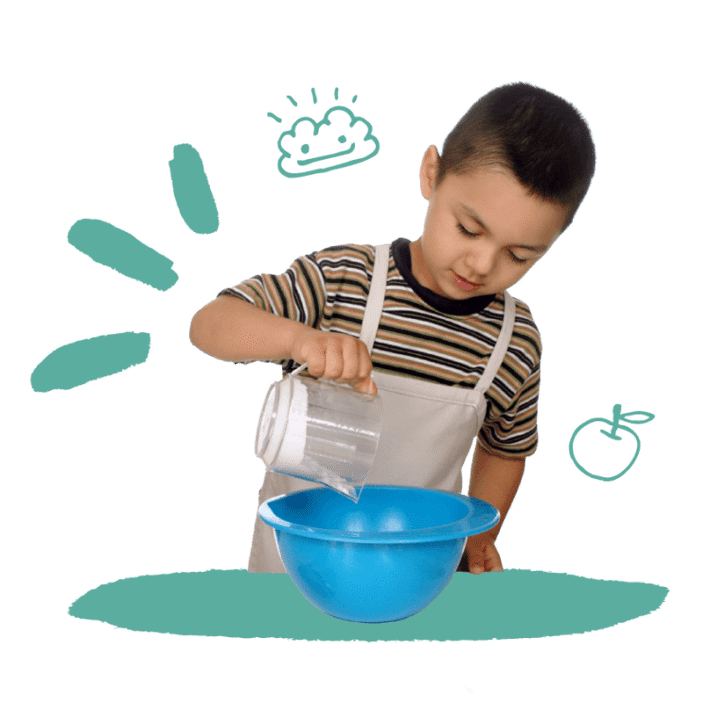
Children learn to recognize and attend to their own needs, those of others, and the environment.
-
-
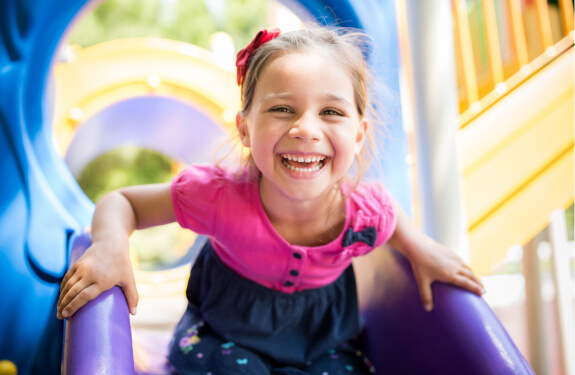 Whole Child DevelopmentWe nurture academic, social, emotional, and physical development through play.
 -
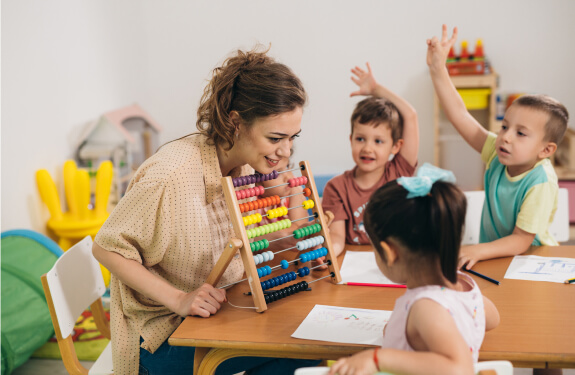 Cutting-Edge CurriculumResearch-backed education provides an invaluable headstart.
 -
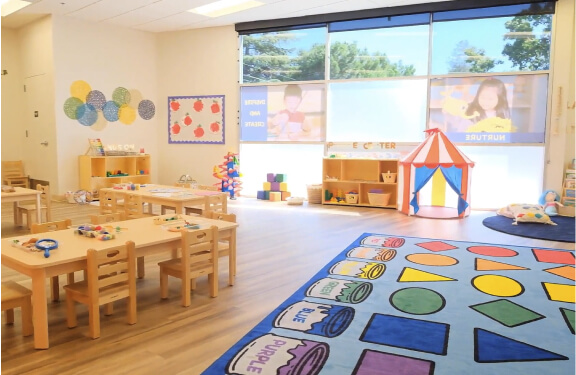 Welcoming EnvironmentThoughtfully designed facilities foster curiosity, safety, and rich learning.

-
2005The first Safari Kid Launches in Newark, CA
-
2007Safari Kid’s Eclectic Philosohpy is Introduced
-
2008The Proprietary Booklet System is Released
-
2009After-School Programs & Summer Camp Launch
-
2011The Safari Kid Toddler Program is Launched
-
2014The Safari Kid Infant Program is Launched
-
2015Environmental Guidelines Are Developed
-
2020The Kindergarten Program is Launched
Safari Kid Builds Relationships
Relationships are important to many aspects of life, and it's no different for young children. At Safari Kid, we value building strong relationships with our parents and students, as well as helping children develop relationships with peers and teachers. We foster meaningful relationships through:
- Encouraging parents to participate and collaborate with teachers
- Creating a nurturing environment with highly qualified, caring staff
- Teaching children how to interact with peers and develop positive relationships
Good friends, teachers, and schools are foundations for success in life. Early relationships can shape the way a child learns, grows, and develops into adulthood.


-
I would recommend safari kid to anyone looking for a great experience.Jill Turek
-
The dedicated staff at Safari Kids create a nurturing and stimulating environment, making it a perfect place for early childhood development.Sushma Venkatayogi
-
School environment is exceptional. Very colorful, bright, and playful environment, which attracts children’s attention.Katie LO
Safari Kid Offers a Safe & Welcoming Environment
At Safari Kid, the environment plays a crucial role in the learning process, influenced by the renowned Reggio Emilia philosophy, which considers the environment as the “third teacher.” They’re crafted to inspire exploration, discovery, and the joy of learning. Key elements of our environment include
- Sparkling clean, modern facilities maintained with meticulous care
- Thoughtfully organized and modern spaces that encourage your child’s natural curiosity
- Engaging indoor and outdoor spaces designed for safe, active play
Where your child spends their day matters! Our facilities are designed to provide a safe, healthy, and welcoming space for children to learn and grow.


Wondering where to start? Explore our early child education programs to learn more about specific age groups and curriculum options. You can also contact us online to find out more!