
-
Today's Hours: 7:30 AM - 6:00 PM
-
Monday7:30 AM - 6:00 PM
-
Tuesday7:30 AM - 6:00 PM
-
Wednesday7:30 AM - 6:00 PM
-
Thursday7:30 AM - 6:00 PM
-
Friday7:30 AM - 6:00 PM


Pre-Kindergarten in Fremont
Give Your Child a Confident Start
Pre-kindergarten is a big step for your child and for you. You want a classroom where your child feels known, challenged, and joyful, and you also want to know they are building the skills they will need for kindergarten. At Safari Kid Fremont - Irvington, we design each day with this balance in mind.
We are a global leader in early childhood education, and our research-driven programs support children from infancy through elementary years. Our program is built on that same foundation. We blend proven educational philosophies with warm relationships, so your child can grow in every area, not just academics.
From the moment you walk into our nature-inspired center, you will see that every space and routine is created to nurture curiosity, independence, and confidence. As you read below, imagine how your child might feel in a classroom that invites them to explore, ask questions, and feel proud of what they can do.
More than daycare, a foundation for life. Reach out online or call (510) 680-2297 to book your consultation.
Our Pre-Kindergarten Approach
By the time children arrive in our pre-kindergarten, they are ready for deeper thinking, more complex social play, and new responsibilities. Our goal is to harness that energy in a way that feels engaging and developmentally appropriate. We draw ideas from Montessori, Reggio Emilia, and other respected approaches, then shape them into our own proprietary curriculum.
This means children spend their days in a carefully prepared environment filled with meaningful materials they can touch, move, and explore. Teachers introduce focused lessons in early literacy, math, science, and social skills, then give children time to practice through hands-on activities. Children might build patterns with loose parts, write stories about their block structures, or investigate how plants grow in the garden.
Whole child development is at the heart of everything we do in pre-kindergarten. We plan experiences that support cognitive thinking, language and literacy, physical coordination, emotional understanding, social cooperation, and health and care habits. When a child learns to wait for a turn, problem-solve with a friend, or care for classroom materials, they are building life skills along with academic readiness.
Our teachers continually observe how each child learns and responds. We use this information, along with ongoing assessments, to adjust our instruction. A child who is ready for more challenge in early reading might work with a teacher on storybooks, while another child might spend extra time in phonological awareness games. This responsive approach helps children feel capable instead of rushed or left behind.
A Day in Our Pre-Kindergarten Classroom
Families often tell us that seeing the daily rhythm helps them decide whether a program feels right. In our pre-kindergarten class, the day follows a predictable flow that gives children a sense of security while leaving room for discovery. Warm greetings at the door set a positive tone as children say goodbye to families and settle in with welcoming activities.
Morning meeting is a time to build community and practice listening, speaking, and early concept skills. Children might sing songs, count the days of the month, discuss the weather, or share weekend stories. From there, they move into learning centers, where small groups rotate through activities that support literacy, math, science, and creative expression.
Here is a sample of how a pre-kindergarten day might unfold:
- Arrival and warm welcome with table activities that ease separation
- Morning meeting to build community and introduce key ideas
- Learning centers with small group literacy, math, and science work
- Outdoor play in our nature-inspired space for gross motor development
- Lunch and self-help routines that build independence and care habits
- Quiet rest or calm activity time to recharge minds and bodies
- Afternoon projects in art, music, or cultural exploration
- Closing circle to reflect on the day and preview tomorrow
Throughout the day, teachers coach children in social skills such as sharing materials, inviting others into play, and solving conflicts with words. We give children real responsibilities, like helping with snack setup or caring for classroom plants, so they practice independence in a safe and supportive setting. This thoughtful combination of structure and freedom helps children enjoy coming to school each day.
Our Learning Environment
Children learn best in spaces that feel safe, inviting, and connected to the world around them. Our center in Fremont reflects this belief. Classrooms are bright and calm, with natural materials, child-sized furniture, and clearly defined areas for building, art, reading, and imaginative play. Materials are within reach, so children can make choices and care for their environment.
Outdoor play spaces give children room to run, climb, and explore nature. We incorporate elements like gardens, loose parts, and sensory paths so children can investigate textures, patterns, and living things. Time outside is more than a break; it is an essential part of physical growth and scientific curiosity.
Families who live or work in Fremont often juggle full schedules, so we design routines that support smooth drop-off and pick-up. The layout of our center helps transitions feel manageable for children and adults alike. Inside the classroom, you will notice materials and books that reflect the diverse cultures and languages of the community. Children see themselves and their classmates honored in the space, which supports a strong sense of belonging.
We stay aware of the expectations that local elementary schools often have for incoming kindergartners, and we align our focus with those general skills. That awareness, paired with our whole child approach, helps children step into their next school feeling both prepared and enthusiastic.
Frequently Asked Questions
What age children do you accept in pre-K?
Our pre-kindergarten classroom is designed for older preschoolers in the year before kindergarten. We typically welcome children who are four or five, depending on their birthdate and readiness. During your visit, we talk with you about your child’s age, temperament, and experience to determine the best placement.
How will you help my child adjust to pre-K?
We plan gentle transitions so children feel secure. Teachers greet families at the door, offer familiar routines, and provide comforting activities during the first weeks. We stay in close contact with you, share how your child is settling in, and adjust our approach for children who need extra time to feel at home.
How do you prepare children for kindergarten?
We focus on both early academics and self-management skills. Children build literacy and math foundations through playful, hands-on learning, and they practice listening, following directions, and working with peers. Ongoing assessments help us tailor support, and we share progress with you so we can work together on kindergarten readiness.
How will I stay updated on my child’s day?
You receive regular communication from our team. We use tools like Procare to share notes and photos, and we add emails or printed updates when helpful. If you have questions, you can reach out to teachers or the office, and we will respond as soon as we can with clear information.
Can I visit the classroom before enrolling?
Yes, we encourage visits so you can see the environment and meet our teachers. During a tour, you can observe the classroom in action, ask questions about our program, and share information about your child. This helps both your family and our team decide if this is the right setting.
The ultimate head start for your child. Connect with us online or call (510) 680-2297 today for a free consultation.
-
Cognitive

We encourage curiousity and a love for learning that inspires children to explore and discover.
-
Social

Children learn vital social skills through activities that emphasize cooperation and sharing.
-
Language & Literacy

Communication skills are developed through interactive and engaging activities.
-
Physical

We ensure children build strong, healthy bodies while fostering a love for movement.
-
Emotional

Our approach to emotional learning helps children recognize, express, and manage feelings.
-
Health & Care
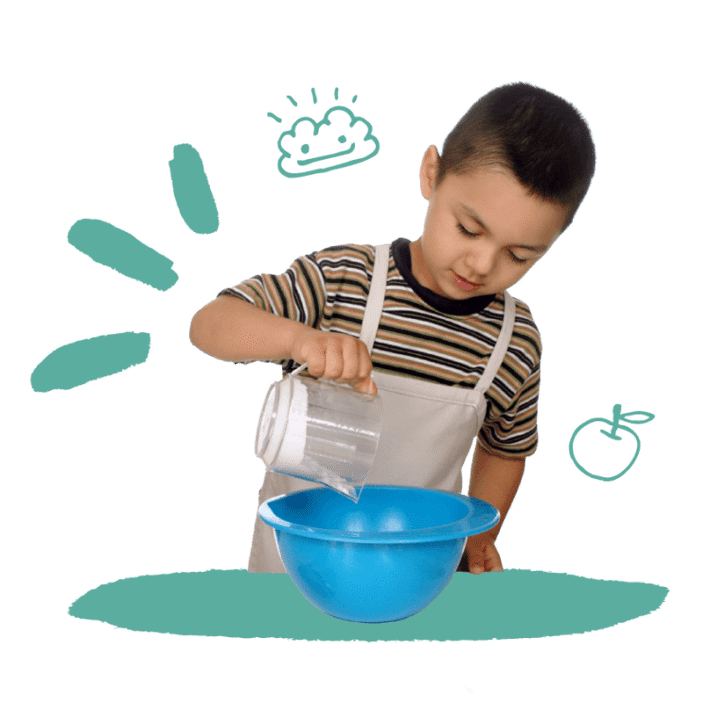
Children learn to recognize and attend to their own needs, those of others, and the environment.
-

-
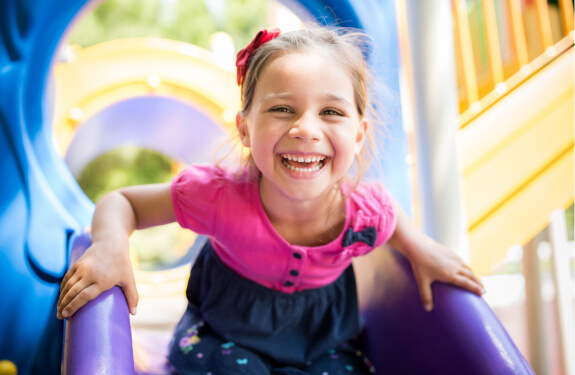 Whole Child DevelopmentWe nurture academic, social, emotional, and physical development through play.
 -
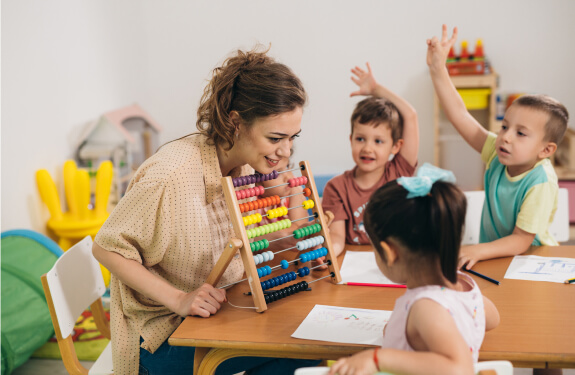 Cutting-Edge CurriculumResearch-backed education provides an invaluable headstart.
 -
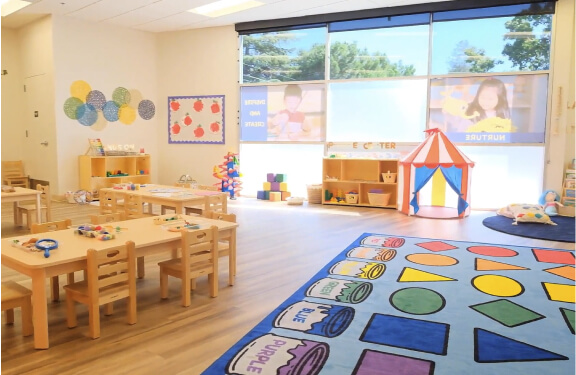 Welcoming EnvironmentThoughtfully designed facilities foster curiosity, safety, and rich learning.

-
2005The first Safari Kid Launches in Newark, CA
-
2007Safari Kid’s Eclectic Philosohpy is Introduced
-
2008The Proprietary Booklet System is Released
-
2009After-School Programs & Summer Camp Launch
-
2011The Safari Kid Toddler Program is Launched
-
2014The Safari Kid Infant Program is Launched
-
2015Environmental Guidelines Are Developed
-
2020The Kindergarten Program is Launched
Safari Kid Builds Relationships
Relationships are important to many aspects of life, and it's no different for young children. At Safari Kid, we value building strong relationships with our parents and students, as well as helping children develop relationships with peers and teachers. We foster meaningful relationships through:
- Encouraging parents to participate and collaborate with teachers
- Creating a nurturing environment with highly qualified, caring staff
- Teaching children how to interact with peers and develop positive relationships
Good friends, teachers, and schools are foundations for success in life. Early relationships can shape the way a child learns, grows, and develops into adulthood.


-
School environment is exceptional. Very colorful, bright, and playful environment, which attracts children’s attention.Katie LO
-
The dedicated staff at Safari Kids create a nurturing and stimulating environment, making it a perfect place for early childhood development.Sushma Venkatayogi
-
I would recommend safari kid to anyone looking for a great experience.Jill Turek
Safari Kid Offers a Safe & Welcoming Environment
At Safari Kid, the environment plays a crucial role in the learning process, influenced by the renowned Reggio Emilia philosophy, which considers the environment as the “third teacher.” They’re crafted to inspire exploration, discovery, and the joy of learning. Key elements of our environment include
- Sparkling clean, modern facilities maintained with meticulous care
- Thoughtfully organized and modern spaces that encourage your child’s natural curiosity
- Engaging indoor and outdoor spaces designed for safe, active play
Where your child spends their day matters! Our facilities are designed to provide a safe, healthy, and welcoming space for children to learn and grow.


Wondering where to start? Explore our early child education programs to learn more about specific age groups and curriculum options. You can also contact us online to find out more!